By| Goodluck E.Adubazi, Abuja
The Executive Chairman of the Economic and Financial Crimes Commission (EFCC), Ola Olukoyede, has declared that Nigeria is on track to becoming Africa’s regional hub for counter-terrorism, citing the country’s vast experience in combating terrorism and implementing global anti-money laundering and counter-terrorism financing standards.
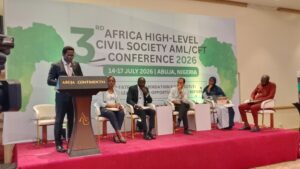
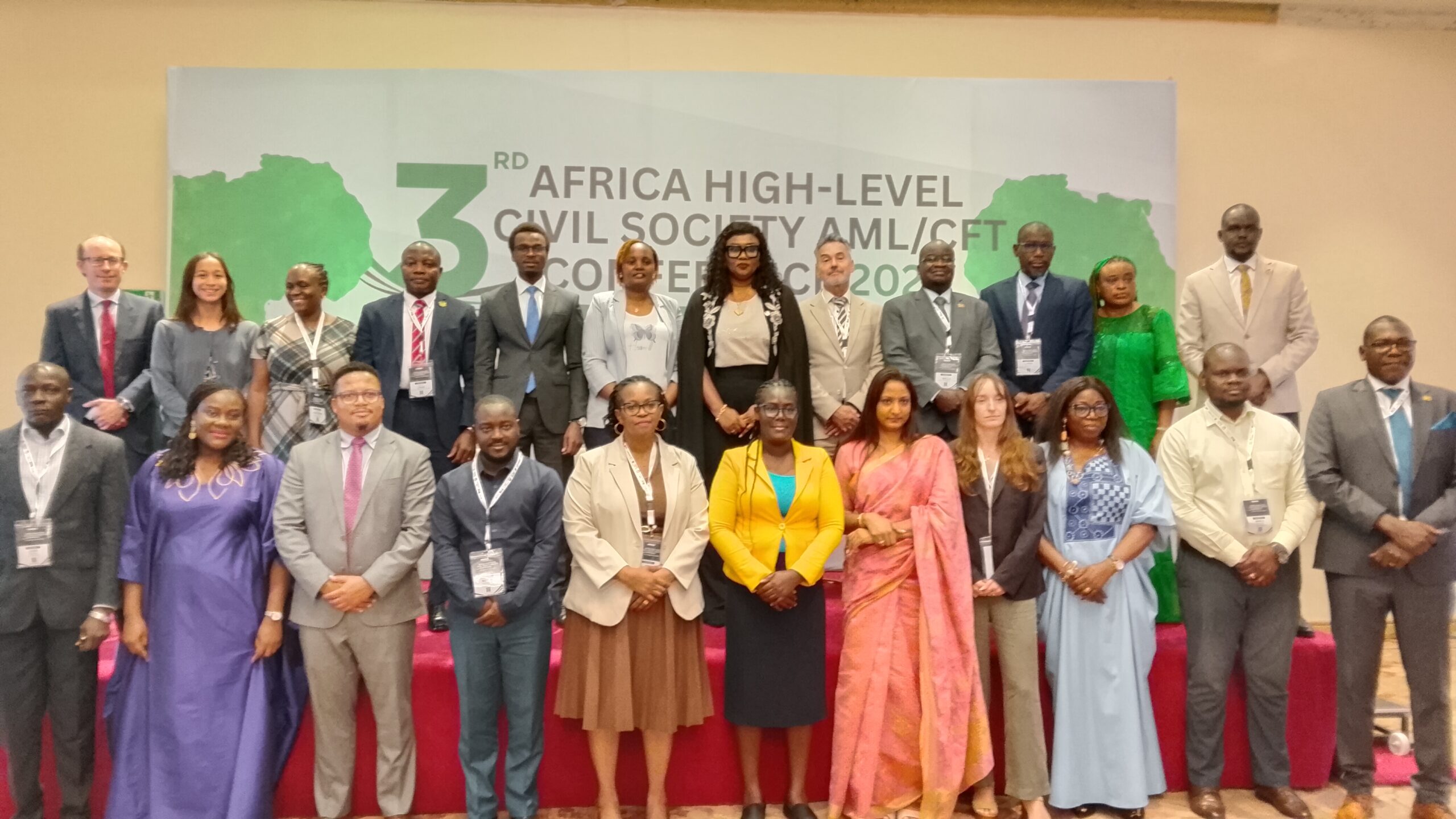
Olukoyede made the declaration on Wednesday in Abuja while delivering his address, through the Director of the Special Control Unit Against Money Laundering (SCUML), at the 3rd Africa High-Level Civil Society Anti-Money Laundering and Countering the Financing of Terrorism (AML/CFT) Conference 2026, organised by Spaces for Change (S4C) at the Abuja Continental Hotel.
He said Nigeria’s success in implementing the Financial Action Task Force (FATF) Recommendation 8 has positioned the country as a reference point for African nations seeking to strengthen their anti-terrorism financing frameworks while protecting the legitimate activities of civil society organisations.
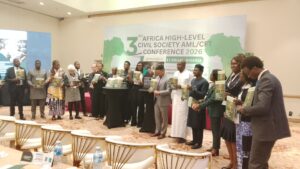
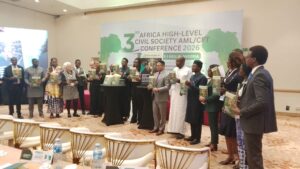
According to the EFCC Chairman, Nigeria recently concluded a comprehensive National Terrorist Financing Risk Assessment of the non-profit sector through collaboration involving the EFCC, SCUML, the Nigerian Financial Intelligence Unit (NFIU), the Office of the National Security Adviser (ONSA), the Corporate Affairs Commission (CAC) and civil society organisations.
He explained that the assessment enabled authorities to identify organisations genuinely vulnerable to terrorist financing while ensuring that legitimate humanitarian and charitable organisations continue to operate without unnecessary regulatory restrictions.
Olukoyede stressed that effective implementation of FATF Recommendation 8 depends on trust, transparency, consultation and information sharing among regulators, government institutions, development partners and civil society organisations.
He noted that terrorism, violent extremism, organised crime and illicit financial flows continue to threaten peace, democracy and economic development across Africa, making stronger regional collaboration imperative.
The EFCC Chairman added that Nigeria remains committed to strengthening its Anti-Money Laundering and Countering the Financing of Terrorism (AML/CFT) regime and supporting continental efforts to safeguard Africa’s financial system while preserving civic space.
Also speaking at the conference, the United Nations Special Rapporteur on the Promotion and Protection of Human Rights while Countering Terrorism, Prof. Ben Saul, commended Nigeria’s progress in implementing FATF standards and expressed confidence that the country’s National Counter-Terrorism Centre would evolve into a regional centre of excellence for Africa.
Saul said Nigeria’s extensive experience in combating terrorism makes it well-positioned to lead regional efforts in counter-terrorism while ensuring respect for human rights.
He, however, cautioned governments against using FATF Recommendation 8 as a tool for over-regulating non-profit organisations, stressing that the revised recommendation advocates a risk-based and proportionate approach that targets only organisations genuinely vulnerable to terrorist financing.
The UN expert warned that excessive regulation, poor risk assessments and restrictions on civil society could undermine humanitarian work, financial inclusion and the protection of fundamental human rights.
He urged African governments to work closely with civil society organisations, describing them as indispensable partners in peacebuilding, humanitarian response and the prevention of violent extremism.
The conference also heard testimonies from African countries seeking to replicate Nigeria’s reforms.
Speaking during a panel session, Bernadette Nzeme of Kenya’s Public Benefits Organizations Regulatory Authority (PBORA) disclosed that the Kenyan government deliberately sent officials to Nigeria to understudy the country’s successful implementation of FATF Recommendation 8.
According to her, Kenya hopes to replicate Nigeria’s collaborative model involving regulators, security agencies and civil society organisations to improve supervision of the non-profit sector.
She explained that unlike Nigeria, Kenya currently operates multiple registration regimes for non-profit organisations, creating regulatory challenges and limiting effective oversight.
Nzeme acknowledged that Nigeria’s unified supervisory framework and collaborative approach have become a model for other African countries seeking compliance with FATF standards.
Panelists from Tunisia, The Gambia, Ghana and other African countries also praised Nigeria’s reforms, describing the country’s inter-agency collaboration and partnership with civil society as critical to its successful compliance with international anti-money laundering and counter-terrorism financing standards.
They agreed that sustained collaboration, institutional reforms and continuous stakeholder engagement remain essential for strengthening Africa’s collective fight against terrorism financing, money laundering and illicit financial flows.
Conference Video: Launch of Overcomplicance with FATF Rec.8 in West Africa: Towards Dismantling Regulatory Burdens for NGOs
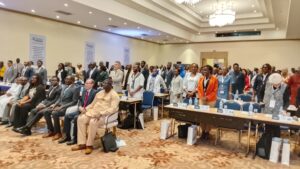
The four-day conference brought together government officials, financial intelligence units, law enforcement agencies, regulators, civil society organisations, development partners and policy experts from across Africa to discuss practical implementation of FATF Recommendation 8, promote best practices and strengthen regional cooperation in combating terrorism financing while protecting civic space.