
— Says investment confidence, long-term contracts, reliable operations key to unlocking oil and gas financing
By | Goodluck E. Adubazi, Abuja
The Managing Director and Chief Executive Officer of Nigeria LNG Limited (NLNG), Adeleye Falade, has said Nigeria’s vast oil and gas resources alone cannot attract the investment required to unlock the country’s energy potential without policy consistency, investment certainty and credible project delivery.
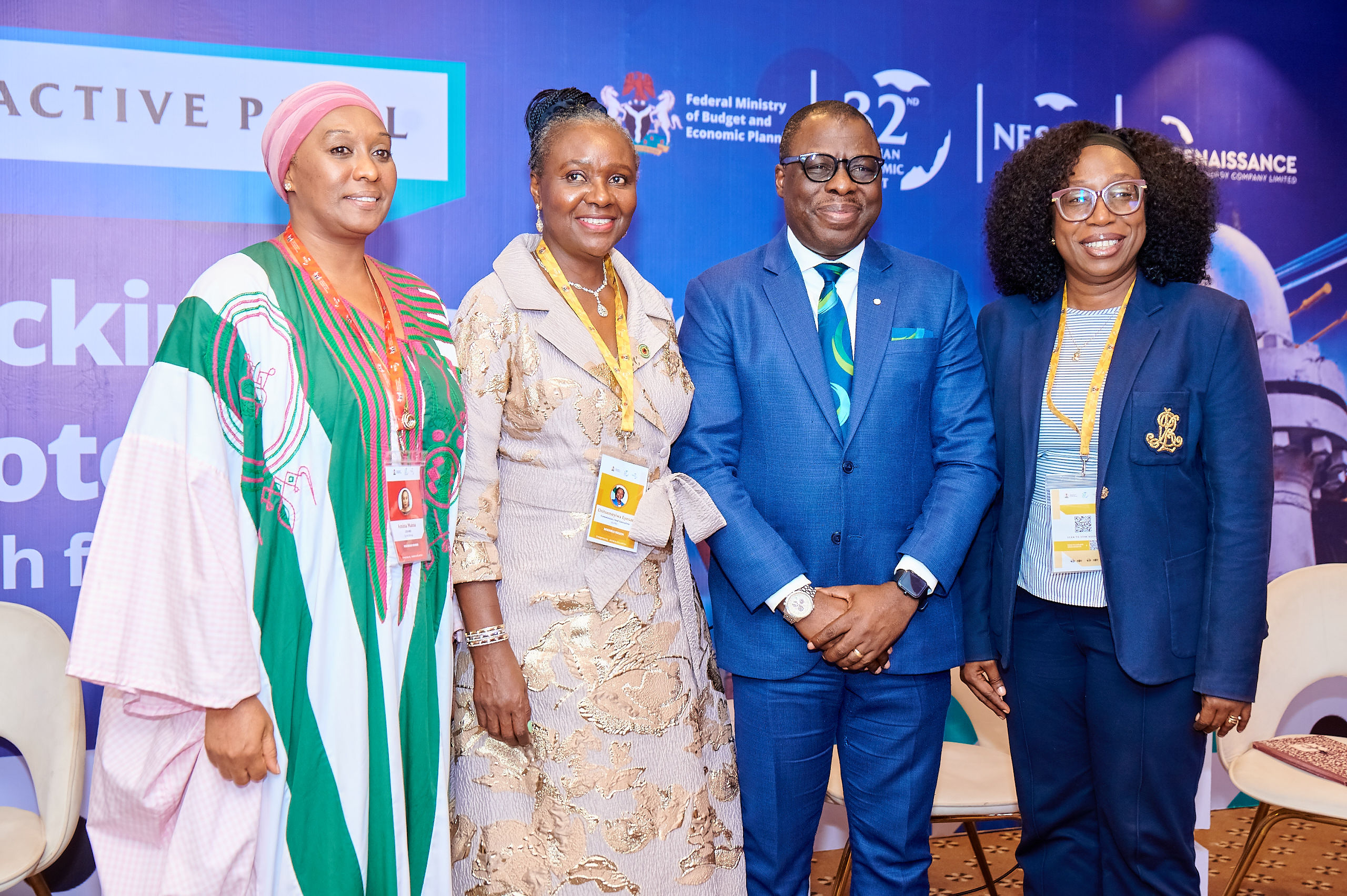
Falade stated this in Abuja during an interactive panel session titled “Unlocking Nigeria’s Oil Potential: The Push for More Oil,” at the 32nd Nigerian Economic Summit, where he highlighted the importance of building investor confidence to finance capital-intensive energy projects.
According to him, investors and lenders are more concerned about the certainty of investment conditions, predictable revenue streams and the ability of project promoters to fulfil their commitments than the availability of natural resources alone.
“Certainty itself is the product,” Falade said, explaining that investments in major energy projects require substantial upfront capital, while recovery periods spanning 20 to 30 years depend on confidence that the terms underpinning them will remain stable.
He cited NLNG’s Train 7 expansion as evidence that a credible investment framework can unlock substantial financing, even under challenging economic conditions.
The project secured financing in 2020 amid the COVID-19 pandemic through a combination of internally generated cash flows and $3 billion in external financing from 31 local and international institutions.
Falade attributed the successful financing to NLNG’s track record of developing six operating trains and repaying loans used to fund previous expansions.
“Track record compounds,” he said, noting that successive successful projects had strengthened lenders’ confidence in the company’s ability to deliver on its obligations.
He identified three critical questions for financing major energy projects: “Who buys the product? Who carries the risk? Who stands behind the project?”
Falade explained that long-term sales and purchase agreements, including contracts spanning 20 years, provide the commercial foundation needed to secure funding by enabling lenders to assess projected revenues before a final investment decision.
He added that risks must be allocated to parties best equipped to manage them, with buyers handling market risks and the company and its contractors managing technical risks.
On operational performance, the NLNG chief executive disclosed that plant utilisation had risen to 81 per cent year to date, following approximately two years at around 60 per cent due to feedgas constraints.
He said the improvement demonstrated the relationship between adequate gas supply, operational reliability, predictable production and lenders’ confidence.
Beyond financing, Falade called for deliberate efforts to develop Nigerian businesses and technical capabilities through major energy projects, stressing that local participation should extend beyond expenditure figures to building sustainable industrial capacity.
He cited Nigerian manufacturers’ contributions to the construction of NLNG’s six vessels, including the supply of furniture and cables. Some suppliers, he said, subsequently secured business with overseas companies after completing their NLNG contracts.
Falade urged policymakers to provide an enabling business environment that would allow local suppliers to expand their capabilities, compete internationally and participate in future projects.