• Experts warn of 120,000 annual deaths from kitchen smoke, demand affordable alternatives
By | Goodluck E. Adubazi, Abuja
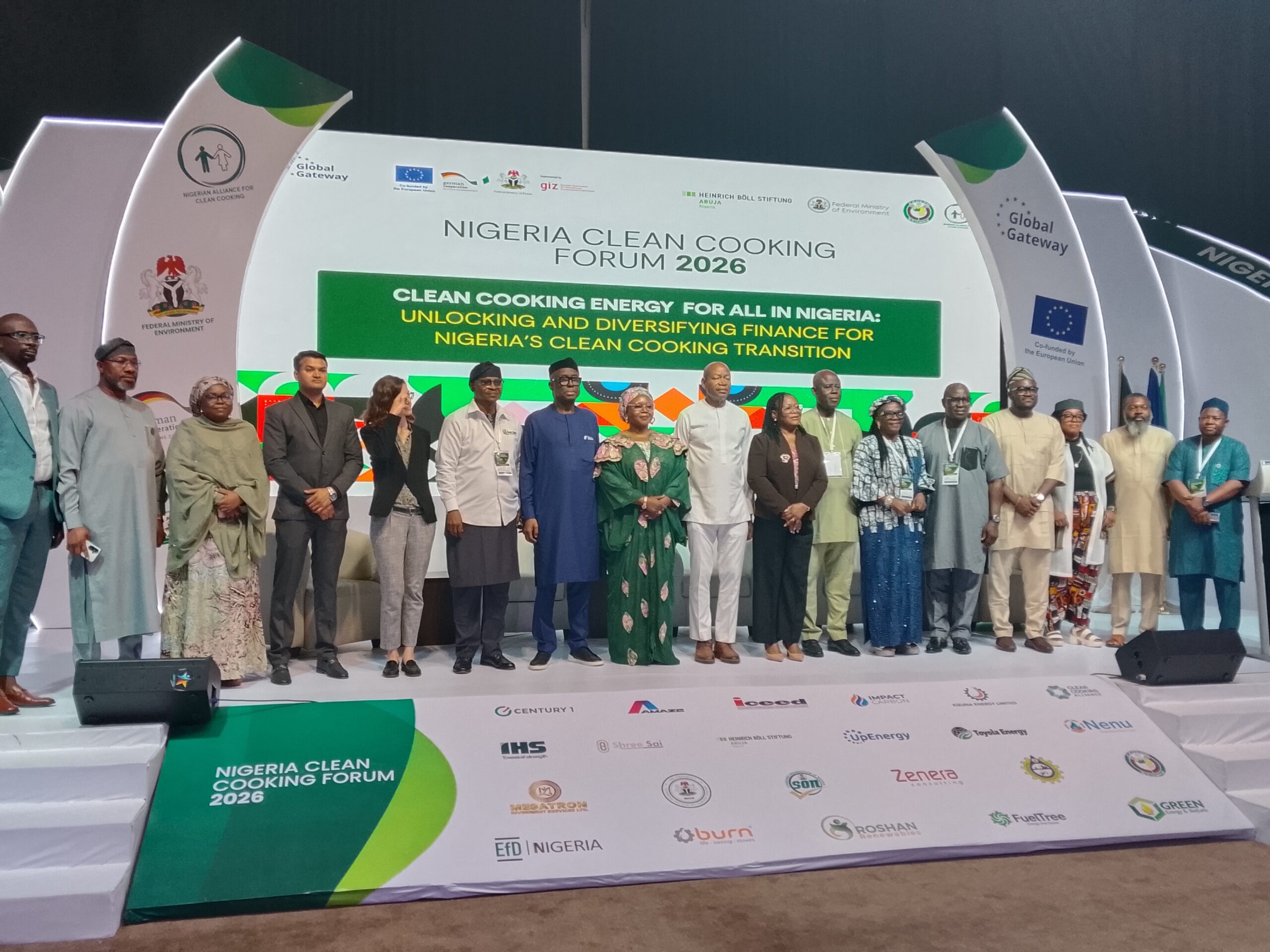
More than 85 million Nigerians rely on polluting cooking fuels, while approximately 120,000 people reportedly die annually from smoke-related illnesses, stakeholders warned at the 2026 Nigeria Clean Cooking Forum in Abuja on Wednesday.
The forum, held at Transcorp Hilton under the theme, “Clean Cooking Energy for All in Nigeria: Unlocking and Diversifying Finance for Nigeria’s Clean Cooking Transition,” called for increased investment in affordable cooking technologies and innovative financing.
The 2024 Nigerian Residential Energy Demand Survey, conducted in collaboration with the National Bureau of Statistics, indicated that 67.8 per cent of households rely on polluting cooking fuels, while 22 per cent use charcoal. Only 19.4 per cent reportedly use cleaner alternatives, with electricity, biogas and biomethanol accounting for less than two per cent.
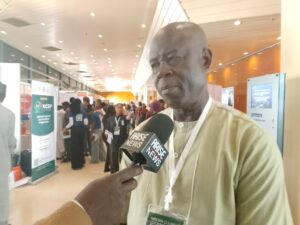
Speaking at the event, Ewah Otu Eleri, Executive Director of the International Centre for Energy, Environment and Development and Chairman of the Board of Trustees of the Nigerian Alliance for Clean Cooking, blamed rising energy costs for undermining progress.
He said cooking gas prices had more than doubled in two years, forcing some households to abandon liquefied petroleum gas (LPG) for firewood and charcoal. He identified carbon markets as an opportunity to finance affordable clean cooking solutions.
In a keynote address delivered by Dr Iniobong Abiola-Awe, Director of the Department of Climate Change, Environment Minister Balarabe Abbas Lawal said clean cooking was central to Nigeria’s energy transition and net-zero emissions target for 2060.
He urged financial institutions and development partners to provide concessional capital, guarantees and risk-sharing instruments to accelerate investments.
The ministry’s Permanent Secretary, Salihu A. Usman, in a statement delivered on his behalf, called for increased public and private financing to expand access nationwide.
Markus Wagner, GIZ Country Director for Nigeria and ECOWAS, stressed stronger government-private sector collaboration, noting that GIZ, the German government and the European Union were supporting investments in the sector.
Representatives of the National Orientation Agency, the Energy Commission of Nigeria and Spain’s international cooperation programme, AECID, also advocated affordable technologies, public awareness and stronger partnerships.
The Energy Commission representative, Engineer John, highlighted the health and environmental consequences of traditional biomass cooking.
Meanwhile, Mrs Habiba Balarabe Suleiman, representing the Nasarawa State Human Capital Development Agency, reaffirmed the state’s commitment to clean cooking through its low-emission development strategy.
Santiago Ormeño, representing Spain’s cooperation programme, RECAWA, emphasised regional collaboration and consumer affordability.
The stakeholders urged coordinated financing and practical action to protect women, create jobs, reduce deforestation and ensure access to cleaner cooking energy for Nigerian households.