•Amupitan Assures Nigerians of Credible 2027 Polls, Says Outstanding Election Funds Expected Before November Ends
By | Goodluck E. Adubazi, Abuja
The Independent National Electoral Commission (INEC) has announced plans to conduct a nationwide mock accreditation and voting exercise on November 28, 2026, as part of measures to strengthen electoral technology and prevent inaccurate results from being uploaded to its Result Viewing Portal (IReV) ahead of the 2027 general elections.
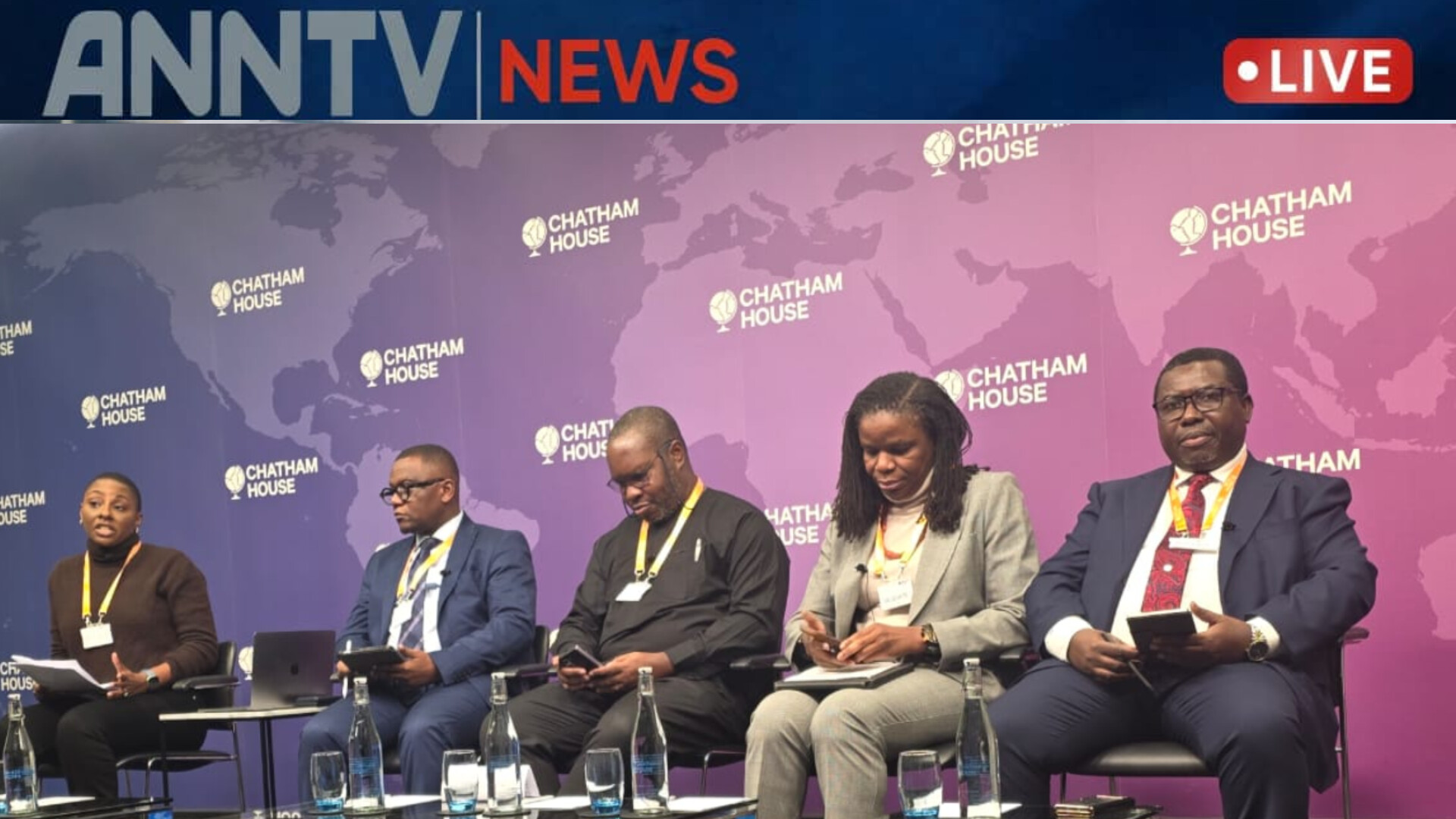
INEC Chairman, Prof. Joash Amupitan, SAN, disclosed this on Thursday in London during a high-level dialogue organised in partnership with the Kimpact Development Initiative (KDI) at Chatham House, under the theme, “Nigeria’s 2027 Elections: Democratic Trajectory and Regional Stability Beyond the Ballot.”
Amupitan said the exercise would test the Commission’s upgraded Bimodal Voter Accreditation System (BVAS), accreditation procedures and electronic transmission of election results across the country.
He explained that the Commission had introduced technical safeguards to ensure that inaccurate polling unit results and figures indicating over-voting would not be uploaded to IReV.
According to him, INEC’s post-2023 electoral assessment identified collation centres, rather than polling units, as the major source of result management failures.
“In 2023, there were instances of inaccurate results or results with over-voting being uploaded onto IReV. We have now devised a technical safeguard: if a result is not accurate at the polling unit, it will not go to IReV at all,” he said.
Addressing concerns over public confidence following the controversies surrounding the 2023 presidential election, the INEC chairman acknowledged that the exercise created a significant trust deficit from which the Commission was still recovering.
However, he maintained that recent off-cycle elections had demonstrated improvements in INEC’s operational capacity, citing the Anambra and Osun governorship elections, FCT Area Council polls, Ekiti governorship election and 16 legislative by-elections.
He noted that administrative reforms had helped the Commission conclude the Anambra and Osun governorship elections and announce results the day after voting.
On BVAS reliability, Amupitan disclosed that INEC was establishing climate-controlled storage facilities across the states to address device malfunctions associated with extreme heat and poor storage conditions.
He added that the Commission had procured additional devices and reduced the maximum number of voters assigned to each BVAS machine from 1,250 to 850. Polling units with more than 850 registered voters would receive multiple devices.
The chairman also identified insecurity, logistics and result management as the Commission’s three major priorities ahead of the 2027 elections.
On funding, he confirmed that INEC had received a substantial portion of its 2027 election budget but was awaiting the outstanding balance, with assurances that the funds would be released before the end of November.
Amupitan also dismissed allegations questioning his neutrality over claims linking his phone number to a controversial X account, saying he had never operated an account on the platform.
He disclosed that the matter had been referred to the Department of State Services (DSS) and the Inspector-General of Police for investigation.
Reaffirming his commitment to impartiality, he declared that his loyalty remained with the Nigerian Constitution and the Electoral Act.
He further urged Nigerian youths to participate actively in the democratic process and resist misinformation, describing digital disinformation as a major threat to electoral credibility.
The presidential and National Assembly elections are scheduled for January 16, 2027, while governorship and State Houses of Assembly elections will hold on February 6, 2027.