By| Goodluck E.Adubazi, Abuja
The Nigeria Customs Service (NCS), in partnership with the World Bank Group, has commenced a two-week Technical Assistance Mission on Post Clearance Audit (PCA) aimed at strengthening compliance management, enhancing revenue assurance, and improving trade facilitation through modern audit practices.
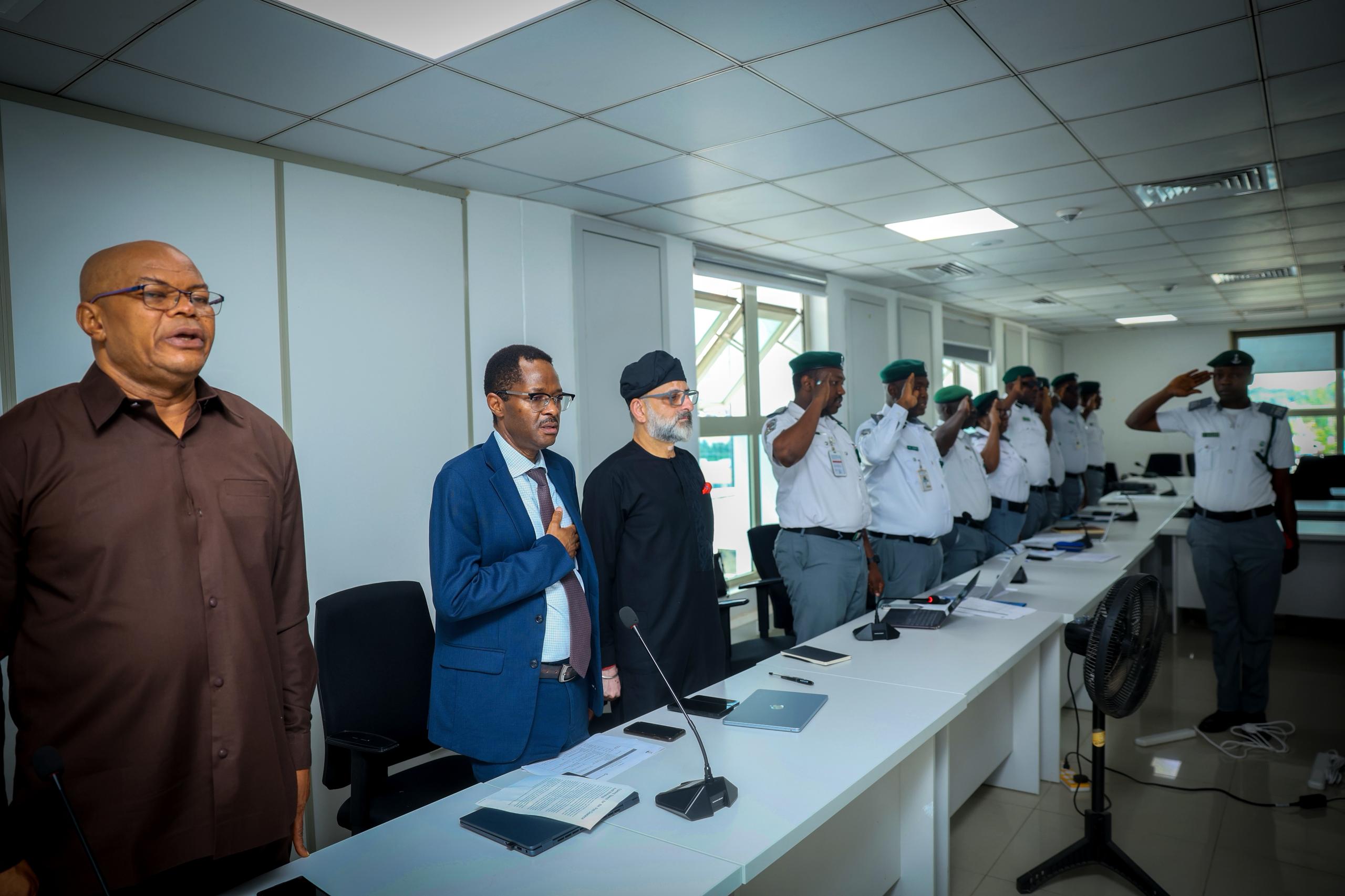
The workshop, being held from June 1 to June 12 at the Service Headquarters in Maitama, Abuja, is being conducted under the Accelerated Revenue Mobilisation Reform (ARMOR) Programme.
Representing the Comptroller-General of Customs, Adewale Adeniyi, at the opening ceremony, Assistant Comptroller-General Babatunde Olomu described the mission as a major milestone in the Service’s ongoing modernisation efforts. He said the initiative would further strengthen Customs’ capacity as a technology-driven, intelligence-led, and globally competitive administration.
Olomu noted that modern customs administrations increasingly depend on intelligence-led, risk-based, and post-clearance interventions to encourage voluntary compliance while supporting legitimate trade and economic growth.
He said the mission would provide an opportunity to review existing processes, identify operational gaps, adopt international best practices, and develop practical solutions to improve the Post Clearance Audit framework.
According to him, key focus areas of the engagement include risk-based targeting, case management, registry management, quality assurance, standardisation, and integrated audit systems.
He stressed that an effective Post Clearance Audit system enables Customs to move beyond transaction-based controls to a more strategic compliance management model that strengthens revenue collection, facilitates legitimate trade, promotes transparency, and enhances public confidence.
Olomu also commended the Comptroller-General for his commitment to capacity building and institutional reforms, while expressing appreciation to the World Bank and other development partners for their continued support of Customs modernisation initiatives. He urged participants to actively engage in the programme and translate lessons learned into tangible improvements in their daily operations.
Speaking during the opening session, World Bank Task Team Lead, Moses Kajubi, said the mission was specifically designed to enhance the capacity of Post Clearance Audit officers through exposure to modern customs practices, practical audit tools, and internationally recognised methodologies.
Kajubi explained that participants would gain insights into global best practices, case management techniques, and compliance management strategies adaptable to Nigeria’s operational environment.
He emphasised the importance of leveraging technology, structured case management systems, and data-driven decision-making processes to improve audit quality, strengthen compliance monitoring, and support trade facilitation objectives.
Expressing confidence in the programme’s impact, Kajubi said the engagement would significantly strengthen institutional capacity and advance the Nigeria Customs Service’s modernisation agenda.
Also speaking, Lead Consultant for the ARMOR Programme, Colonel Aloke Dutt, said the mission seeks to improve trade facilitation, optimise revenue generation, and strengthen compliance management through a more structured and harmonised Post Clearance Audit system.
Dutt underscored the need for standardised audit methodologies, effective monitoring mechanisms, and the integration of data analytics into audit operations to improve accountability and operational efficiency. He also highlighted the importance of technology-driven solutions such as the B’Odogwu platform and the development of Standard Operating Procedures (SOPs) to support a competency-based audit framework across the Service.
During a technical session, Assistant Comptroller of Customs Muhammad Jubril demonstrated the Post Clearance Audit process on the B’Odogwu platform, showing participants how audit reviews can be initiated using Harmonised Commodity codes and other risk indicators.
In his closing remarks, Comptroller Muhammad Shattima encouraged participants to take full advantage of the training and apply the knowledge acquired to support the strategic objectives of the Nigeria Customs Service.
The Technical Assistance Mission is expected to strengthen Customs’ audit capabilities, improve compliance management, and contribute to broader efforts aimed at enhancing revenue mobilisation and facilitating legitimate trade in Nigeria.