By| Goodluck E.Adubazi, Abuja
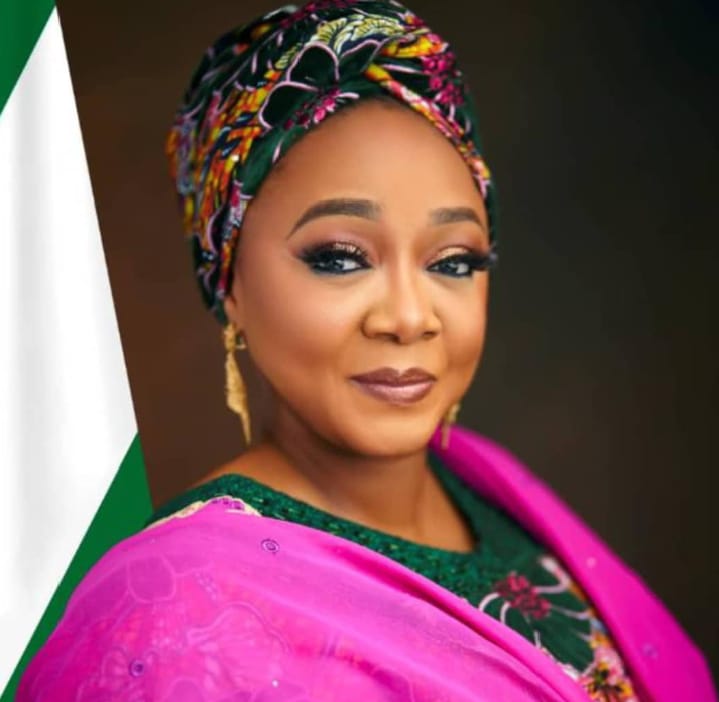
Nigeria has recorded a major diplomatic and gender equality milestone following the re-election of Mrs. Esther Eghobamien-Mshelia to the United Nations Committee on the Elimination of Discrimination against Women (CEDAW) for a second four-year term.
The victory came during a keenly contested election held at the United Nations Headquarters on June 26, where Nigeria emerged successful in an election involving 123 Member States, defeating candidates from eight other countries.
Announcing the achievement, the Minister of Women Affairs and Social Development, Hon. Imaan Sulaiman-Ibrahim, FSI, described the outcome as a significant diplomatic triumph that reinforces Nigeria’s growing influence in promoting gender equality and the rights of women and girls on the global stage.
According to the Minister, the re-election represents more than an individual accomplishment, describing it as an international endorsement of Nigeria’s leadership and commitment to advancing the implementation of the Convention on the Elimination of All Forms of Discrimination against Women (CEDAW).
She noted that the development builds on the momentum generated during the 69th Session of the Commission on the Status of Women (CSW69) in New York, where Nigeria successfully led a high-level initiative that secured commitments from Edo, the Federal Capital Territory (FCT), Kwara, Imo, Lagos, Nasarawa, Ogun and Zamfara States to accelerate the domestication and implementation of CEDAW, with several other states expected to follow.
The Minister explained that the initiative is aimed at translating international commitments into tangible improvements in the lives of women and girls through stronger legal protections, expanded access to education, healthcare, economic opportunities and improved accountability across government institutions.
She added that Nigeria’s continued presence on the influential UN committee would ensure that the country remains at the forefront of shaping global standards on gender equality while strengthening Africa’s voice in international human rights discussions.
The Ministry attributed the success to months of coordinated diplomatic engagements involving the Federal Ministry of Women Affairs and Social Development, the Ministry of Foreign Affairs, Nigeria’s Permanent Mission to the United Nations and other government institutions, alongside development partners, civil society organisations and technical experts.
The Minister also linked the achievement to the Federal Government’s Renewed Hope Agenda under President Bola Ahmed Tinubu, noting that the administration’s decision to declare 2026 as the Year of Families and Social Development has strengthened Nigeria’s credibility in advancing inclusive development, social protection and gender-responsive governance.
She paid tribute to the First Lady, Senator Oluremi Tinubu, whose Renewed Hope Initiative continues to empower women through economic support, skills acquisition and livelihood programmes across the country.
The Ministry further acknowledged the contributions of the Minister of Foreign Affairs, Ambassador Bianca Odumegwu-Ojukwu, Nigeria’s Permanent Representative to the United Nations, Senator (Dr.) Jimoh Ibrahim, and members of the country’s diplomatic and technical teams for their strategic efforts in securing the victory.
Congratulating Mrs. Eghobamien-Mshelia, the Minister expressed confidence that she would continue to represent Nigeria with integrity and professionalism while contributing meaningfully to the advancement of women’s rights globally.
She reaffirmed the Federal Government’s commitment to ensuring that international recognition translates into concrete domestic reforms, pledging sustained collaboration with stakeholders to strengthen legal reforms, institutional accountability, women’s economic empowerment and the effective implementation of CEDAW across Nigeria.
Describing the victory as one that belongs to all Nigerians, the Minister said it demonstrates the impact of strategic diplomacy, national unity and effective governance, while reaffirming Nigeria’s determination to remain a global champion for gender equality, social development and the protection of the rights and dignity of women and girls.