By| Goodluck E.Adubazi, Abuja
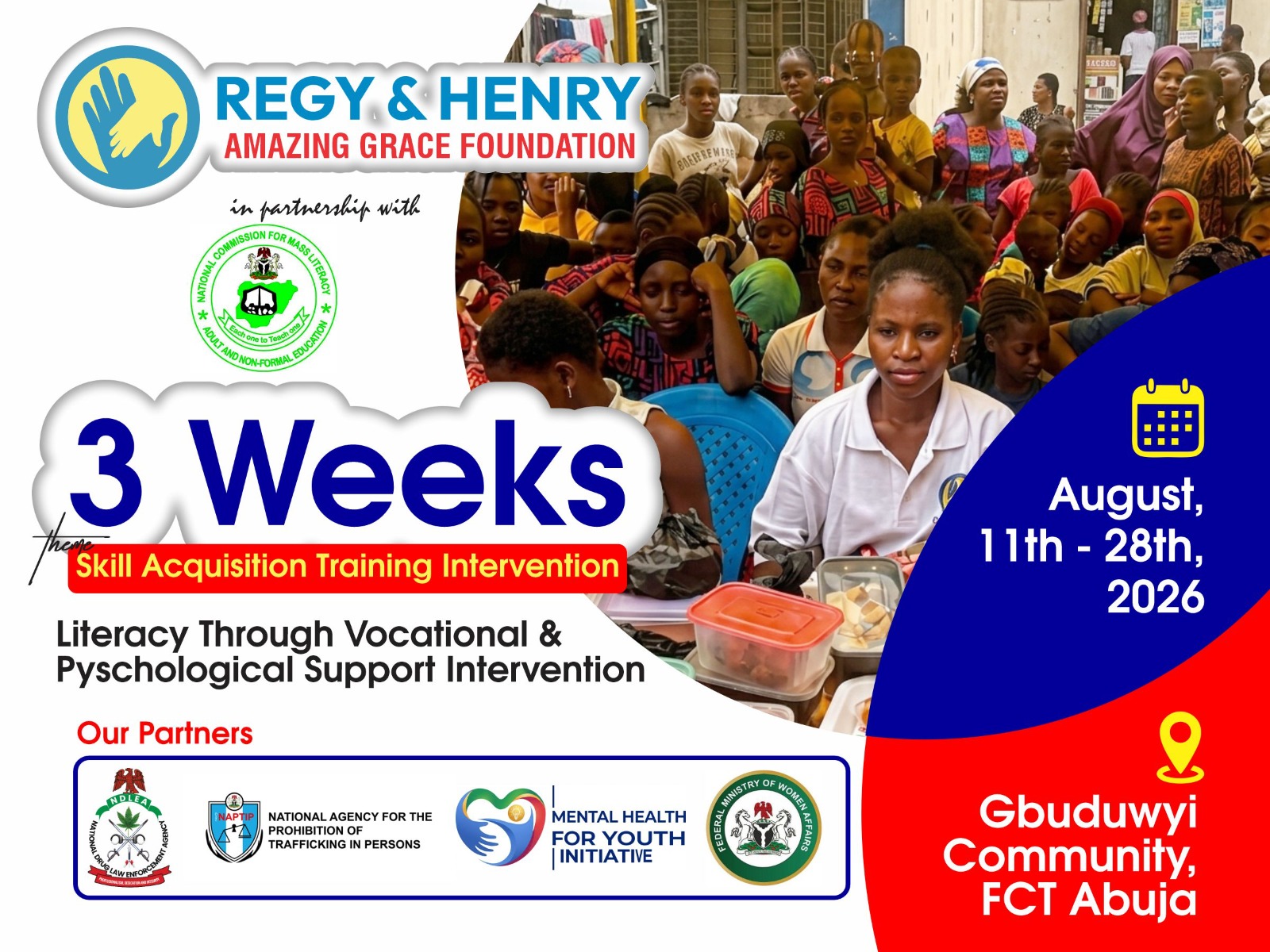
President of the Petroleum and Natural Gas Senior Staff Association of Nigeria (PENGASSAN), Comrade Festus Osifo, has called for stronger collaboration among government agencies, oil companies, employers and labour unions to drive sustainable growth, protect workers’ jobs and improve productivity in Nigeria’s oil and gas industry.

Osifo made the call on Thursday while speaking on the second day of the 5th edition of the PENGASSAN Energy and Labour Summit 2026.
He stressed that continuous training and retraining of workers remained critical to the development of the industry, urging companies and labour organisations to work together to equip employees with the skills required to operate safely and efficiently.
According to him, neglecting any of the critical stakeholders in the industry could undermine efforts to move the sector to greater heights.
Speaking on oil and gas divestments, Osifo said PENGASSAN had worked closely with the Nigerian Upstream Regulatory Commission (NUPRC) to ensure that workers’ interests were adequately protected throughout the divestment process.
He recalled that when divestments began in earnest, the association was initially apprehensive because of the potential impact on workers and their jobs.
“We were a bit apprehensive. We were thinking, normally when divestment comes, it comes with its own trouble,” he said.
Osifo said the association therefore consulted its past leaders and members to understand previous experiences, identify what went wrong and develop better approaches.
He explained that PENGASSAN subsequently engaged NUPRC and insisted that employee welfare should form an integral part of any divestment arrangement.
He said the engagement resulted in a framework requiring divesting companies, prospective buyers and relevant stakeholders to reach agreements on workers’ interests before final transactions could be concluded.
According to him, the framework, which was incorporated into the regulatory process, helped shape divestments in the industry between 2021 and 2025.
He said the framework contained six key pillars, including requirements for agreements involving workers and certification from the Ministry of Labour before final regulatory approvals could be granted.
Osifo noted that while some non-operated asset divestments had little impact on PENGASSAN members, the protection of workers in operated assets remained a major concern for the union.
He said the association also ensured that collective bargaining agreements previously enjoyed by workers were transferred to acquiring companies from the commencement of the divestment process.
“We insisted that for those that are buying, they must come and tell us how do we protect the jobs of our members,” Osifo said.
He added that PENGASSAN also secured commitments from acquiring companies to maintain and improve workers’ remuneration and welfare packages.
According to him, the association closely monitored the implementation of those commitments, particularly following the acquisition of assets associated with Shell and ExxonMobil joint venture operations.
Osifo, however, clarified that subsequent redundancies in some companies should not automatically be attributed to divestment, noting that business operations and prevailing economic conditions could also necessitate workforce adjustments.
He said PENGASSAN had consistently sought the best possible outcomes for its members whenever redundancy situations arose.
The PENGASSAN president also called for more constructive and data-driven negotiations between employers and workers, warning that avoidable industrial disputes could be prevented if both sides listened to reason and considered available economic data.
He said the union had over the past six years relied heavily on data during negotiations to ensure that its demands were reasonable and defensible.
Osifo noted that most employers had been receptive to the union’s arguments, resulting in amicable settlements without prolonged industrial disputes.
However, he said some employers had failed to respond positively to reasonable demands, forcing workers into industrial action before improved offers were eventually made.
He questioned the need for negotiations to deteriorate into industrial disputes when better outcomes could be achieved through early dialogue.
“Why do we now allow negotiations to break down? Why do we now allow us to get to that corner if we could have done some of all these earlier on?” he asked.
Osifo urged management and labour to remain open-minded during negotiations, review available data and seek mutually acceptable solutions before disputes escalate.
The PENGASSAN president further expressed concern over what he described as inadequate investment in staff training by some indigenous oil and gas companies.
He said training should not be viewed merely as a cost-cutting item but as an essential investment in employee competence, productivity and workplace safety.“Training is not just another cost, but is a necessary cost,” he said.
Osifo commended international oil companies and major government-owned entities, including NNPC Limited, NUPRC and NMDPRA, for what he described as comparatively better attention to staff training.
He expressed concern that many indigenous companies were not investing sufficiently in training their employees, which, he said, could contribute to increased safety challenges.
He explained that the ultimate objective of training was not only to improve workers’ earning potential but to equip them with the knowledge and skills required to perform their duties safely.
According to him, the oil and gas industry is inherently hazardous, making safety training particularly important.
“We want our members to be trained so that they will go back to work, discharge their functions and activities and go back home to their family safely,” he said.
Osifo therefore urged employers to prioritise training and retraining, stressing that workers who are properly equipped are better positioned to improve productivity and reduce workplace accidents.
He also expressed optimism that the incoming leadership of PENGASSAN would build on the achievements of the current administration and take the association to greater heights.