
By | Goodluck E. Adubazi, Abuja
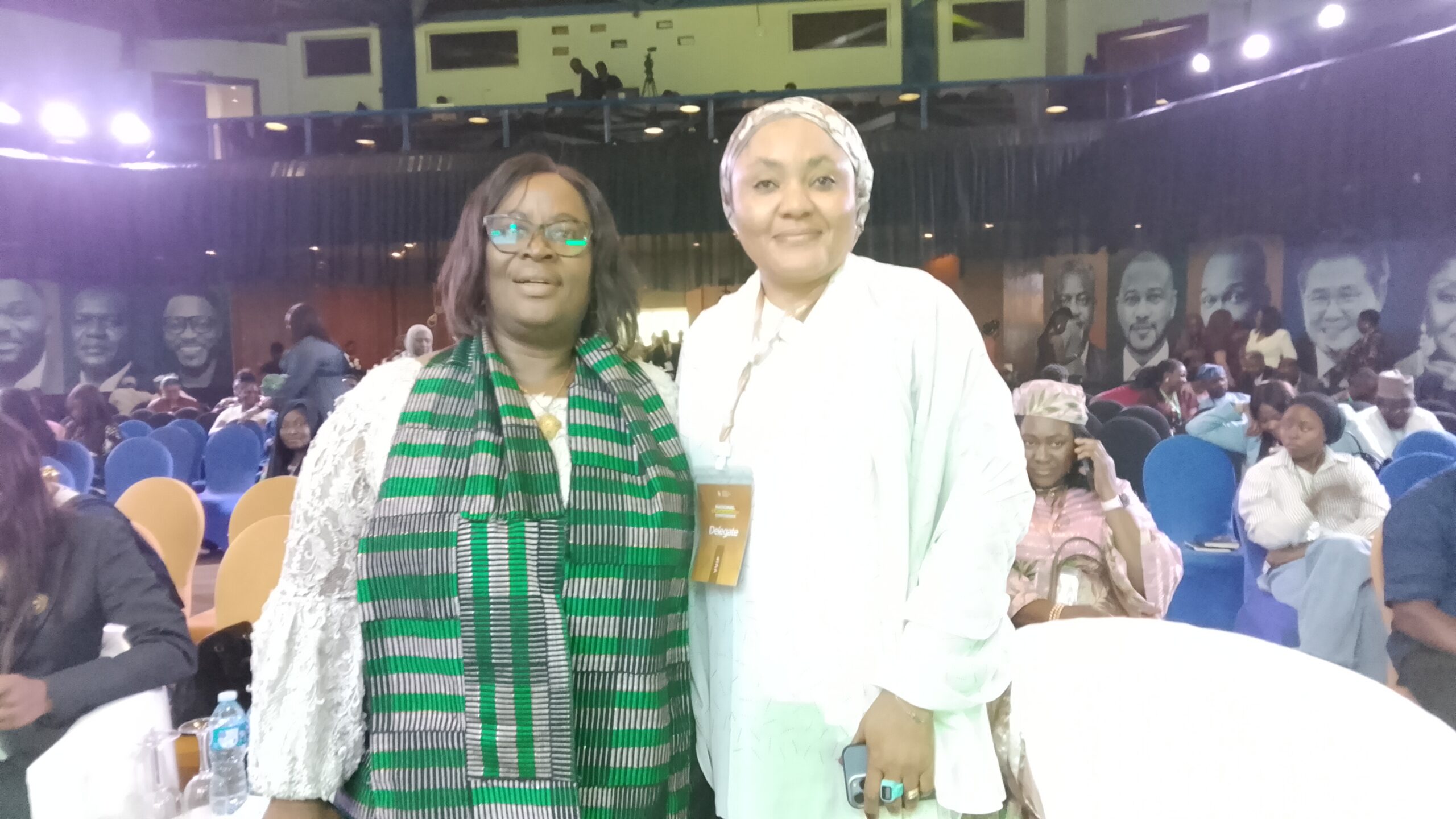
The United Nations Women Country Representative to Nigeria, Mrs. Beatrice Eyong, has called on leaders to adopt inclusive leadership practices that balance organisational objectives with the aspirations, wellbeing and individual success of their team members.

Eyong made the call on Friday while speaking at the National Leadership Conference 2026, held at the Transcorp Hilton Hotel, Abuja, where she spoke on “The Inclusive Leadership Advantage: Unlocking Diverse Talent for Stronger Institutions and Sustainable Results.”
She said an organisation could only achieve sustainable productivity when its leaders recognised that the success of their teams was integral to the success of the organisation.
According to her, “The success of your team is the success of your organisation. But what we are saying is, you shouldn’t compromise the success of the individuals in your team.”
Eyong explained that an inclusive leader should not focus exclusively on organisational results but must also pay attention to the personal development and aspirations of team members.
She said leaders must find a balance between meeting organisational objectives and enabling individual team members to achieve their own goals.
“If you can break a compromise where the objectives, the results that you are wanting of the organisation, merge with the aspirations and objectives of the individuals in your team, productivity will shoot up,” she said.
She further described team members as the people who ultimately make a person a leader, stressing that leaders must make their employees feel valued, respected and appreciated.
“The inclusive leader understands that human beings have top psychological needs.
One, for instance, is to be valued. One, for instance, is to be loved. One, for instance, is to be respected.
“So when your team feel that you respect them, you value their contributions, and you love them, I tell you, productivity is going to go high. Their engagement is going to go high,” Eyong stated.
The UN Women representative also urged leaders to embrace the principle of learning from others, noting that leadership should not be based on the assumption that the leader always has the best ideas or solutions.
She urged leaders to acknowledge individual differences and recognise that there could be several ways of achieving an objective or solving a problem.
According to her, leaders must develop the humility to accept that members of their teams may sometimes possess better knowledge, skills or approaches to a particular challenge.
“It’s not always true that the leader’s idea must be the best. We must have that big heart to say, ‘Yes, I understand these things, but there could be somebody in my team who understands it better and who can do it better,’” she said.
Eyong also stressed the importance of self-awareness and honesty among leaders, saying inclusive leaders should understand their strengths and limitations and be willing to delegate responsibilities to those better equipped to handle them.
“An inclusive leader should be honest to himself or herself. An inclusive leader should be able to say, ‘Yes, this thing I cannot do; I’m giving it to you to handle it.’ That is honesty,” she said.
She described inclusive leadership as a “whole package”, involving not only leaders but also team members, whom she said should be recognised as leaders at different levels and stages within an organisation.
Eyong said every leader comes into an organisation with personal experiences, knowledge, skills, values, beliefs and fears, while team members equally bring their own experiences, perspectives and abilities.
She said the responsibility of an inclusive leader was therefore to create a shared vision, shared goals, shared values and a shared way of working that would allow every member of the team to contribute their potential.
“The work of the inclusive leader is actually to create a shared vision, a shared goal, a shared way of working, a shared understanding, so that everyone in the team is actually able to contribute his or her own potential,” she said.
She also highlighted the importance of cultural diversity and context, urging leaders to understand the different cultures, traditions, values and perspectives within the environments where they operate.
However, Eyong cautioned that inclusiveness and consultation should not be allowed to undermine the quality or timeliness of organisational activities.
She acknowledged that inclusive leadership often requires consultation, but said leaders must establish a balance between seeking diverse views and delivering results within the required timeframe.
“An inclusive leader should be able to strike a compromise between the time taken to do consultations and the timeliness of the services or the products,” she said.
Eyong identified self-awareness as another important quality of an inclusive leader, urging leaders to understand their capabilities, limitations, fears and weaknesses and ensure that these do not prevent them from listening to others.

The National Leadership Conference brought together leaders and stakeholders to examine leadership, institutional development, inclusion, innovation and sustainable results.