
By | Goodluck E. Adubazi, Abuja
The Nigerian Meteorological Agency (NiMet) has reaffirmed its commitment to providing reliable weather and climate information to farmers as part of efforts to strengthen agricultural productivity, resilience and food security in Nigeria.
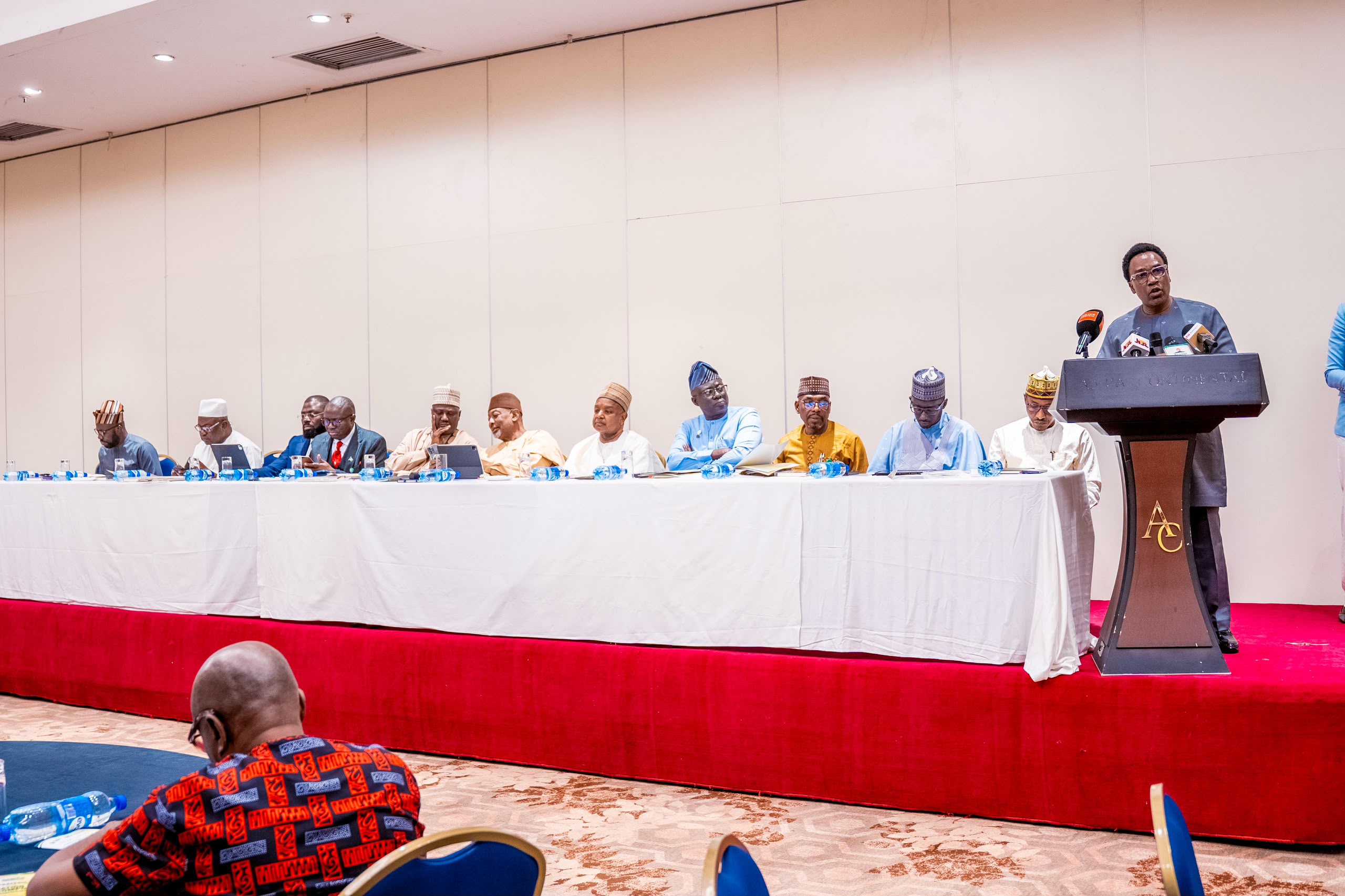
The Director-General/Chief Executive Officer of NiMet, Prof. Charles Anosike, stated this in his goodwill message at the National Strategic Dialogue on the Preparation of the AGROW Component 2.2 – National Implementation Strategy and Digital Agriculture Architecture, organised by the Federal Ministry of Agriculture and Food Security under the World Bank-supported Nigeria Sustainable Agricultural Value Chain (AGROW) Project.
The dialogue, themed “Building a Unified, Inclusive and Future-Ready Digital Agriculture Ecosystem for a More Productive, Resilient and Food-Secure Nigeria,” brought together stakeholders to deliberate on strategies for strengthening Nigeria’s digital agriculture ecosystem.
Anosike said the dialogue was particularly significant to NiMet because of its mandate to provide weather and climate information that protects lives, supports livelihoods and enables informed planning across climate-sensitive sectors.
He noted that increasing climate variability, changing rainfall patterns and extreme weather events were posing growing challenges to agriculture, making timely and reliable climate information critical to farmers and other actors across the agricultural value chain.
According to him, NiMet provides Seasonal Climate Predictions, regular weather updates, agrometeorological services and impact-based advisories to support farmers in making informed decisions on planting, water management and agricultural inputs, while reducing avoidable losses.
The NiMet DG further described digital agriculture as a critical pathway for translating climate information into practical, farm-level decisions.
He highlighted NiMet’s partnerships with Tomorrow.io and MTN under the Digital Climate Advisory Services (DCAS) System, designed to deliver location-specific weather advisories to farmers through mobile SMS.
He also cited NiMet’s partnership with the Agricultural Innovation Mechanism for Scale (AIM for Scale) to strengthen the integration of artificial intelligence-based weather forecasting with digital advisory systems.
Anosike stressed that digital agricultural services must reach farmers through accessible and trusted channels, noting that collaboration among extension services, technology providers, telecommunications companies, community radio stations and farmer organisations would be essential for effective last-mile delivery.
He also called for digital climate services to be responsive to the realities of farmers, including language, literacy, connectivity, affordability and gender inclusion.
The NiMet chief executive emphasised the need to involve farmers directly in the development of climate services to ensure that such interventions respond effectively to their needs and circumstances.
He commended the Minister of Agriculture and Food Security, Senator Abubakar Kyari, CON, for his efforts to promote climate-smart agriculture and urged stakeholders participating in the dialogue to develop a practical, inclusive and measurable roadmap for integrating weather and climate services into decision-making across Nigeria’s agricultural value chain.
Anosike expressed optimism that the dialogue would advance climate-smart, digitally enabled and farmer-centred agriculture, while reaffirming NiMet’s readiness to provide the technical leadership required to strengthen climate services, support food security and build resilient livelihoods across the country.