
By| Goodluck E.Adubazi, Abuja
The Managing Director/Chief Executive of the Nigeria Social Insurance Trust Fund (NSITF), Mr Oluwaseun Faleye, has urged Nigerian entrepreneurs to prioritise workers’ welfare and workplace safety, stressing that sustainable business growth cannot be achieved at the expense of employees’ wellbeing.
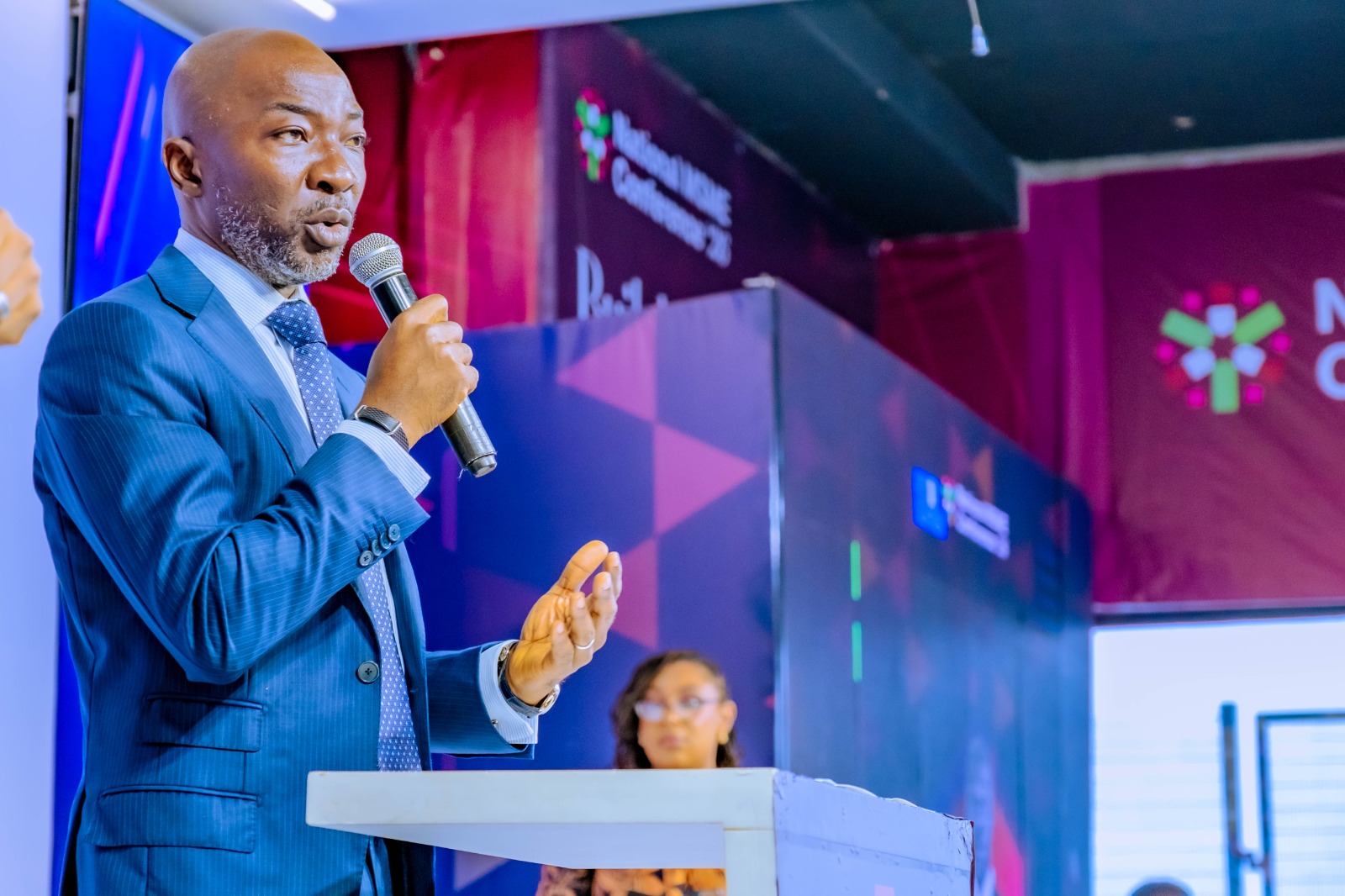
Faleye made the call on Monday while delivering a goodwill message at the 2026 Grow Nigerian Conference, themed, “The Next Frontier for Innovation, Policy and Market Access,” held at the Ecobank Pan African Centre (EPAC), Victoria Island, Lagos.
The three-day conference, organised by the Small and Medium Enterprises Development Agency of Nigeria (SMEDAN), under the leadership of its Director-General/Chief Executive, Mr Charles Odii, attracted government representatives, development partners, industry leaders and entrepreneurs.
Commending SMEDAN for sustaining the conference, Faleye described its theme as timely, noting that Nigeria must move beyond encouraging business start-ups to building productive, resilient and globally competitive enterprises capable of creating sustainable employment.
He identified micro, small and medium enterprises (MSMEs) as critical drivers of economic transformation, describing entrepreneurs across the country, including manufacturers in Aba, women processors in Kano and technology innovators in Lagos, as vital contributors to employment, innovation and community development.
However, he acknowledged that Nigerian businesses face significant operational challenges, including high energy costs, inflation, exchange rate pressures, inadequate infrastructure, logistics difficulties and limited access to affordable financing.
According to him, the country’s enterprise development agenda must focus not only on helping businesses survive and expand but also on protecting the people whose labour drives their success.
“Behind every successful enterprise are people whose skills, commitment and labour sustain its operations. A business cannot truly be considered sustainable if its economic success is achieved at the expense of the safety, dignity and wellbeing of its workforce,” he said.
The NSITF chief executive explained that the Fund administers the Employees’ Compensation Scheme under the Employees’ Compensation Act, 2010, which provides compensation, medical support, rehabilitation and income replacement for employees who suffer work-related injuries, occupational diseases, disability or death.
He clarified that the scheme is funded through a one per cent contribution by employers based on their total monthly payroll, emphasising that the contribution is not deducted from workers’ salaries.
Faleye maintained that protecting employees should be regarded as an investment in business sustainability rather than an additional financial burden.
“Protecting workers is also good for business. A safe and protected workforce is more productive, motivated and committed,” he said.
He expressed concern over the low level of awareness of the Employees’ Compensation Scheme among small businesses, calling for increased public education, simplified registration procedures and stronger institutional collaboration to improve compliance.
He also warned that the growing influence of digital platforms, e-commerce and logistics services must not leave workers economically productive but socially unprotected.
To address the gaps, Faleye proposed a stronger partnership between NSITF and SMEDAN, noting that both institutions have complementary responsibilities in promoting enterprise development and protecting workers.
He suggested joint MSME awareness campaigns, the integration of occupational safety education into entrepreneurship training, engagement with business associations and the provision of accessible registration and compliance support for small businesses.
The NSITF boss further called for a whole-of-economy approach involving government, financial institutions, development partners and entrepreneurs, urging policymakers to incorporate decent work, occupational safety and social protection into the proposed National MSME Policy.
Reaffirming the Fund’s commitment to enterprise development, Faleye said NSITF would continue to strengthen the administration of the Employees’ Compensation Scheme and promote safer workplaces across the country.
“Let us grow Nigerian businesses, protect Nigerian workers and build a prosperous, productive and globally competitive Nigeria,” he concluded.