
By| Goodluck E.Adubazi, Abuja
The Chief Executive Officer of Aminu-S-Noma Nigeria Limited, Aminu Kanko, has attributed the continued dependence of Nigeria on food importation to the risks associated with agricultural investments, saying investors are often reluctant to commit resources to the sector.
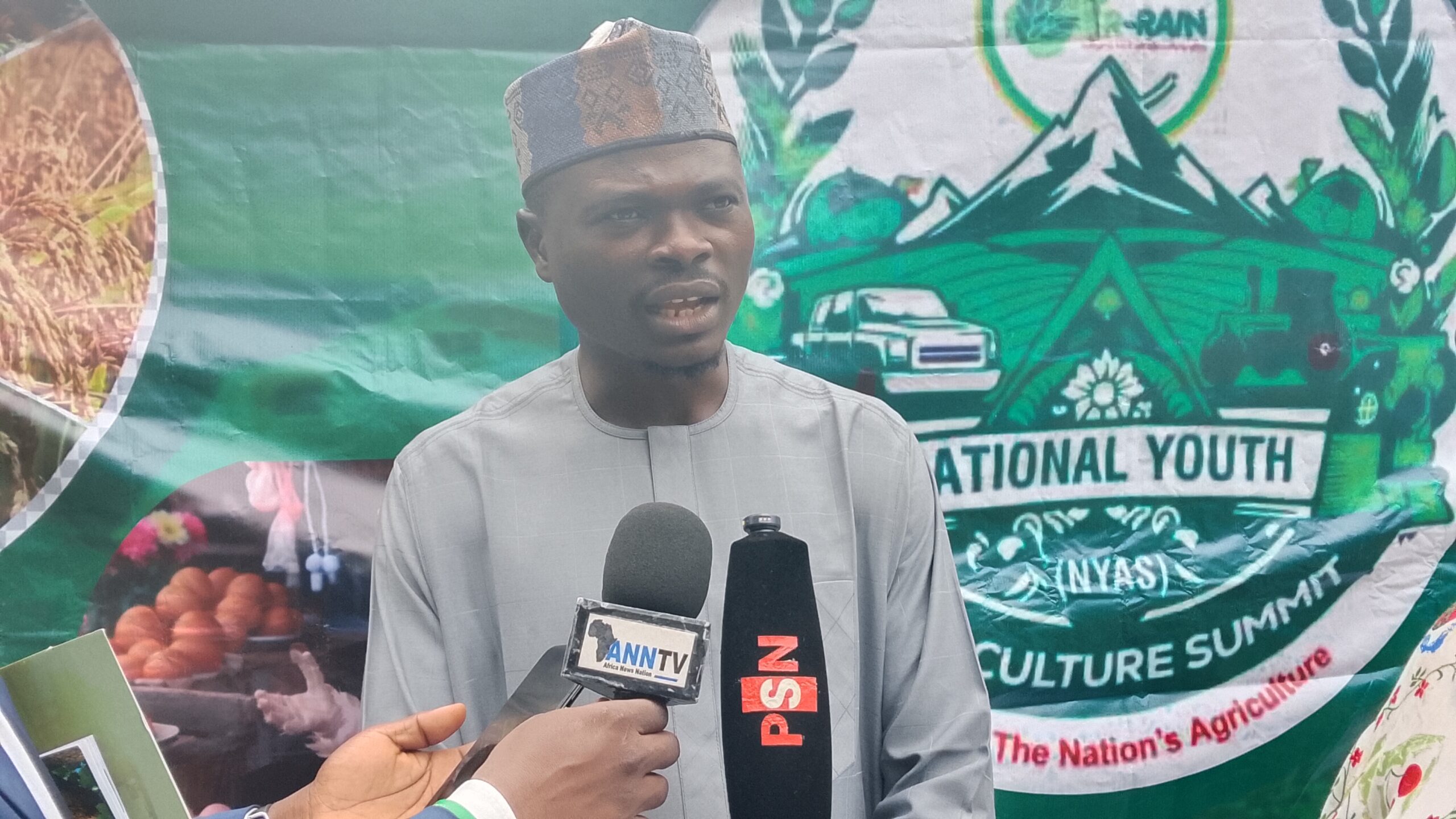
Kanko stated this on Tuesday in Abuja while speaking at the National Youth Agriculture Summit (NYAS) 2026, organised under the theme, “Market Access and Value Chain Development: Empowering Youth for Agricultural Prosperity.”
Speaking as an agri-entrepreneur and agricultural value-chain player, Kanko said the summit provided an opportunity to discuss ways of managing risks and volatility in the agricultural sector to achieve food security and sustainability in Nigeria.
According to him, Nigeria’s dependence on imported food remains a major concern, particularly at a time when the country has the potential to produce enough food for its growing population.
He said investors are often discouraged by the risks associated with agriculture, stressing that stakeholders across the agricultural value chain must work together to develop mechanisms for managing such risks.
“Why is it that we, as Nigerians, are still depending on food importation, and why is it that our investors are not interested in investing in Nigeria? The answer is that they are scared of the risks involved in agriculture.”
Kanko described agriculture as one of the most risk-prone businesses, stressing that agricultural stakeholders must come together to find practical solutions to the challenges confronting the sector.
He said effective risk management would not only encourage more investment in agriculture but also strengthen food security and promote sustainable agricultural development.
Addressing young Nigerians interested in agriculture, Kanko urged them to see farming and related agricultural activities as serious businesses rather than hobbies.
He advised young agricultural entrepreneurs to be patient, hardworking and committed, noting that, like every other business, agriculture has its challenges and opportunities.
“The youth should embrace agriculture as a business. They should see agriculture as a business and not take it as a hobby. In every business, there are ups and downs, but agriculture is different. You need to be patient and hardworking.”
He further called on all participants in the agricultural value chain, including consumers, producers, investors and other stakeholders, to work together to build a sustainable food system for future generations.
According to him, consumers also play an important role in the agricultural value chain because purchasing locally produced goods helps to support farmers and stimulate domestic production.
Kanko urged Nigerians to patronise locally produced agricultural products, stressing that collective action among value-chain players would help strengthen food security and agricultural sustainability.
On the role of the Federal Ministry of Agriculture, he acknowledged the efforts of the ministry towards ensuring food availability and reducing food prices across the country.
However, he called for a balance between food prices and the cost of agricultural inputs, noting that farmers would also benefit when input costs are reduced.
“No farmer is praying for the price of food to rise. We want the price of food to come down, but the cost of inputs should also come down so that there will be a balance in the process.”
He said achieving affordable food prices while ensuring that farmers remain productive and profitable would require coordinated policies and stronger support across the agricultural value
 chain.