
By| Goodluck E.Adubazi, Abuja
Abuja a summit challenges young Africans to embrace heritage, AI, entrepreneurship, investment and policy
Young Africans have been urged to harness their cultural heritage, education, technology, entrepreneurship and sound public policy to drive sustainable development across the continent.
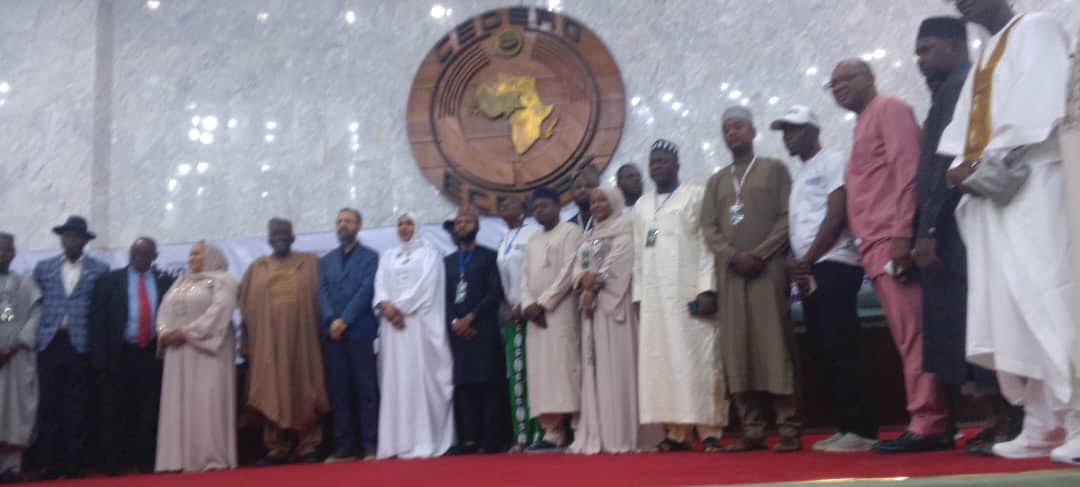
The call was made at the 2nd Edition of the International Youth Day Summit 2026, held on August 26 and 27 at the ECOWAS Building, 114 Yakubu Gowon Crescent, Asokoro, Abuja.
The summit, themed “From Cultural Roots to Green Shoots: Leveraging Technology, Heritage & Policy for Youth-Led Sustainable Development,” brought together young entrepreneurs, innovators, creatives, government representatives, captains of industry, development partners and other stakeholders from Nigeria and across Africa.
Hosted by the National Coordinator, NACCIMA Youth Entrepreneurs (NYE), Dr. Sameera Abubakar Abdullahi, the two-day summit focused on culture, identity, education, technology, entrepreneurship, investment and policy, with participants exploring practical ways of placing young people at the centre of Africa’s development agenda.
The event was chaired by Mr. Godwin Etim, while the National President of NACCIMA, Engr. Jani Ibrahim, OON, MNI, was among prominent personalities associated with the gathering. The Emir of Kano, His Highness Khalid Sanusi Lamido Sanusi II, served as Royal Father of the Day
Discussions on the first day emphasised the importance of culture and identity in shaping the future of African youth.
Speakers urged young people not to sacrifice their cultural roots in the pursuit of modernity, stressing that African languages, fashion, food, traditions and heritage could be preserved while also being transformed into economic and social opportunities.
Participants noted that technology has fundamentally altered the way young people learn, communicate, conduct businesses and participate in society.
They, however, stressed the need for responsible use of technology, particularly social media, warning against misinformation, distraction and other negative consequences of irresponsible digital engagement.
Rather than viewing technology solely as a tool for entertainment, speakers encouraged young Africans to deploy it for learning, innovation, entrepreneurship, communication and problem-solving.
The summit also broadened its discussions beyond Nigeria, focusing on shared challenges and opportunities confronting young people across Africa.
Participants called for stronger continental youth networks, investment opportunities, partnerships and platforms capable of connecting entrepreneurs and innovators across national borders.
The message was that African youth must increasingly see themselves as participants in a common continental development agenda rather than limiting their ambitions to individual countries.
The African Youth Investment Forum provided a major platform for advancing this conversation.
One of the notable contributors was Mr. Elie Isola Tchaby, Country Representative, Benin Republic, who featured in the presentation on the African Youth Investment Forum.
His participation added a regional dimension to the summit and reinforced the importance of connecting young African entrepreneurs with investment, markets, partnerships and cross-border opportunities.
The forum highlighted the need to bridge the gap between young entrepreneurs, startups, investors and development stakeholders, particularly for businesses with the potential to expand beyond their immediate communities.
The discussions emphasised that young Africans require more than ideas and training to build sustainable enterprises. They also need access to capital, markets, mentorship, technology and regional business networks.
The summit equally examined the role of values and responsible leadership in youth development.
An Islamic-focused contribution during the programme added a values-based perspective to the discussions, emphasising that economic advancement and technological development must be matched by discipline, responsibility, integrity and a sense of purpose.
Speakers stressed that technology and entrepreneurship alone could not guarantee sustainable development unless young people possessed the character and leadership values required to deploy their skills responsibly
The second day, themed “ACCELERATE: Deep Dialogue, Skills & Action,” shifted attention from broad discussions to practical issues involving entrepreneurship, investment, artificial intelligence, digital technology, policy and youth action.
A key session, “Code the Future – Youth, AI and Digital Power,” examined the growing role of artificial intelligence and digital technologies in the future of work and enterprise.
Participants were encouraged to acquire relevant digital skills and move beyond being consumers of technology to becoming creators, innovators and problem-solvers.
Youth Policy Incubator Produces Abuja Action Blueprint
Another major highlight was the Youth Policy Incubator – Final Drafting of the Abuja 2026 Youth Action Blueprint.
The initiative sought to connect youth perspectives with public policy by providing a platform for participants to translate ideas generated at the summit into concrete actions and recommendations.
The blueprint was presented as an effort to move the youth conversation beyond speeches and motivation towards measurable commitments and policy interventions.
The African Youth Investment Forum further strengthened the summit’s focus on enterprise development.
Participants observed that although young Africans are increasingly building businesses, developing innovative products and deploying digital platforms to address social and economic challenges, many continue to face barriers to finance, markets, mentorship, technology and supportive policies.
The summit consequently advocated investment platforms and regional networks capable of helping young entrepreneurs grow from small-scale ventures into sustainable enterprises that create jobs and contribute to economic growth.
The summit closed with a Closing Plenary and Key Reflections led by the host, Amb. Dr. Sameera Abubakar Abdullahi.
The closing session brought together the major themes of the summit—culture, heritage, education, technology, entrepreneurship, investment, leadership and policy.
The central message was that African youth must not wait for the future before taking responsibility for the development of their communities and continent.
Participants were challenged to invest in self-development, preserve their heritage, acquire relevant skills, embrace innovation, build sustainable enterprises and participate constructively in policy processes
The two-day summit ultimately linked cultural identity with innovation, technology with responsibility, entrepreneurship with investment and youth participation with public policy.
From discussions on cultural heritage on the first day to artificial intelligence, investment and policy on the second, the gathering consistently emphasised the need to equip young Africans to become active builders of the continent’s future.
The message from Abuja was clear: Africa’s transformation will depend significantly on how effectively its young population converts culture, knowledge, technology and opportunity into sustainable development.
The challenge now, participants agreed, is to move beyond inspiration—to act, innovate, collaborate and build.