
… as Nigerian Firm Wins Multi-Billion-Dollar AfCFTA Project
By| Goodluck E.Adubazi, Abuja
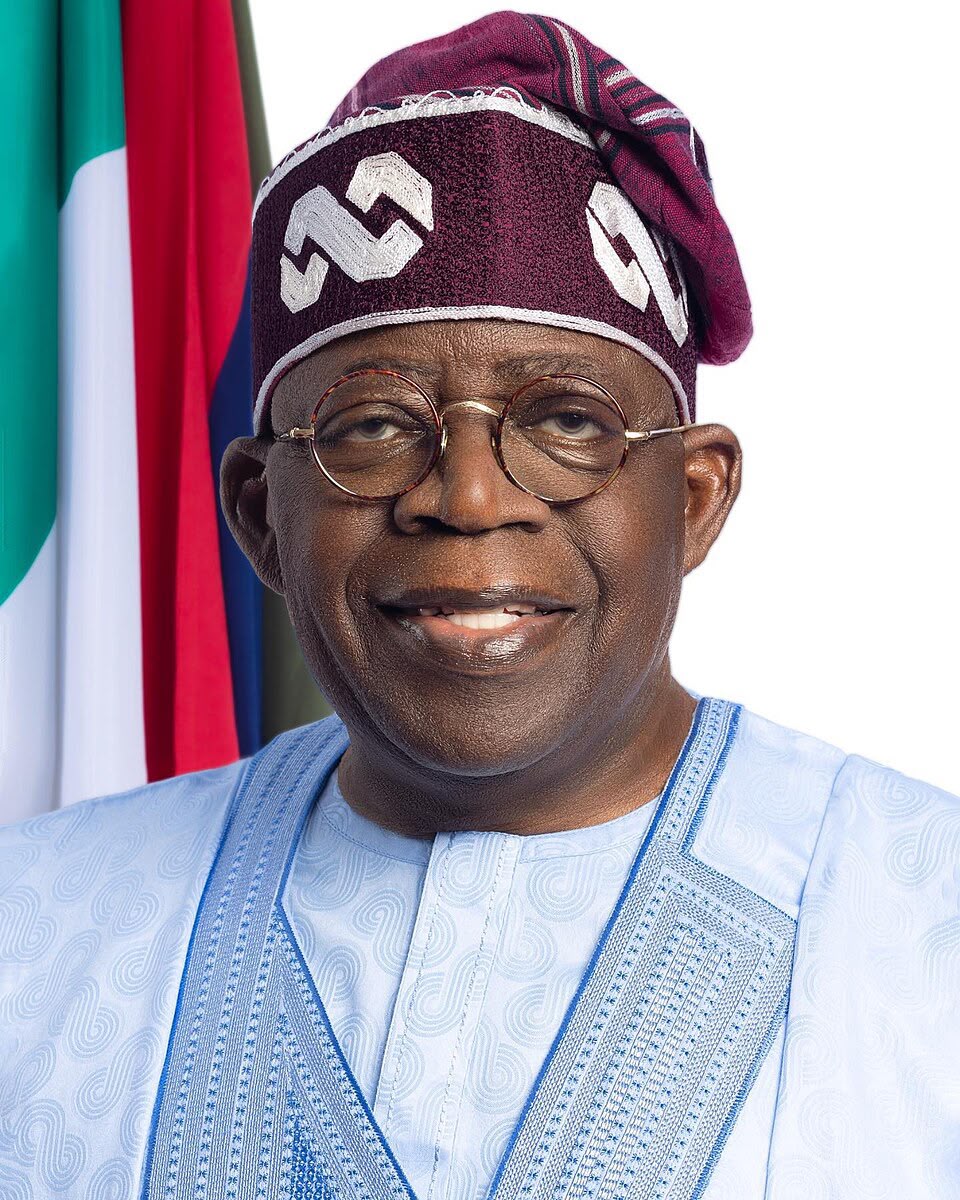
President Bola Ahmed Tinubu has hailed the Adeniyi’s growing continental recognition of Nigeria’s Customs modernisation programme, describing the development as proof that Nigerian institutions and businesses have the capacity to develop homegrown solutions for African markets.

The President also commended Nigerian-owned Bergmans Security Consultant and Supplies Limited following the selection of its subsidiary, AfriTrade CMP Limited, to implement a 20-year, multi-billion-dollar African Continental Free Trade Area (AfCFTA) Customs Modernisation Project.
The project is designed to deploy digital and physical infrastructure to strengthen customs processes, cargo tracking, border management and trade-data exchange across participating African countries.
Tinubu’s position was contained in a statement issued on Monday by his Special Adviser on Information and Strategy, Bayo Onanuga.
The President said the development was particularly significant because another subsidiary of Bergmans, Trade Modernisation Project Limited, is already implementing Nigeria’s homegrown Customs modernisation programme through the Nigeria Customs Service (NCS).
According to him, the development demonstrates that expertise developed and tested in Nigeria is increasingly becoming a model for other African countries.
“What has been built and tested in Nigeria is now providing a model for the continent.
This is how African integration should work: Africans building African solutions for African markets,” Tinubu said.
He added: “Nigerian institutions and businesses can help build the technology and infrastructure that will make that market work.”
The President said his administration, under the Nigeria First policy, would continue to create opportunities for capable Nigerian businesses to compete locally, across Africa and globally.
“I commend Bergmans, AfriTrade CMP Limited, Trade Modernisation Project Limited, the Nigeria Customs Service, CGC Bashir Adewale Adeniyi and the Nigerian professionals whose work has earned this confidence,” he said.
Tinubu further linked the continental recognition of Nigeria’s Customs modernisation model to the reforms being implemented under the leadership of Comptroller-General of Customs, Bashir Adewale Adeniyi, MFR.
He said the growing interest in Nigerian-developed customs technologies and systems underscored the importance of sustained investment in digital transformation, institutional capacity and indigenous expertise.
The President’s commendation came against the backdrop of a visit by the Secretary-General of the AfCFTA Secretariat, Wamkele Mene, to the NCS Headquarters in Abuja, where he inspected the Trade Modernisation Project in operation.
Mene visited the facility alongside members of the Senate Committee on Customs, led by Senator Jibrin Isah, following a two-day retreat on customs modernisation and reforms.
During the visit, the AfCFTA Secretary-General described B’Odogwu, Nigeria’s indigenous Unified Customs Management System, as a model with potential for adoption across the continent.
Mene disclosed that non-African companies had also offered similar solutions, but stressed that AfCFTA had opted for an African solution, underscoring the importance of African expertise, innovation and enterprise in developing the continent’s trade architecture.
Senator Isah, after witnessing the system in operation, also expressed the committee’s support for the modernisation programme, saying members had become ambassadors of the initiative.
B’Odogwu, first piloted in October 2024, has become a key component of the NCS modernisation programme, supporting the digitalisation of customs processes, cargo tracking, data infrastructure, surveillance, risk management and non-intrusive inspection.
The modernisation programme is also being integrated with the National Single Window, launched in March 2026 as a single digital gateway for cross-border trade processes.
The integration is expected to further strengthen Nigeria’s digital and institutional architecture for faster, more transparent and efficient international trade, while positioning the country as a source of technology and expertise for customs administration across Africa.