
By| Goodluck E.Adubazi, Abuja
Nigeria has taken a major step toward accelerating industrialization and expanding clean energy access with the groundbreaking of what is being described as Sub-Saharan Africa’s largest off-grid solar project.
The landmark 200-megawatt solar mini-grid project was officially launched in Minna, Niger State, through a partnership involving the Federal Government of Nigeria, the Niger State Government, and Abuja Steel Mills Limited, a subsidiary of African Industries Group.
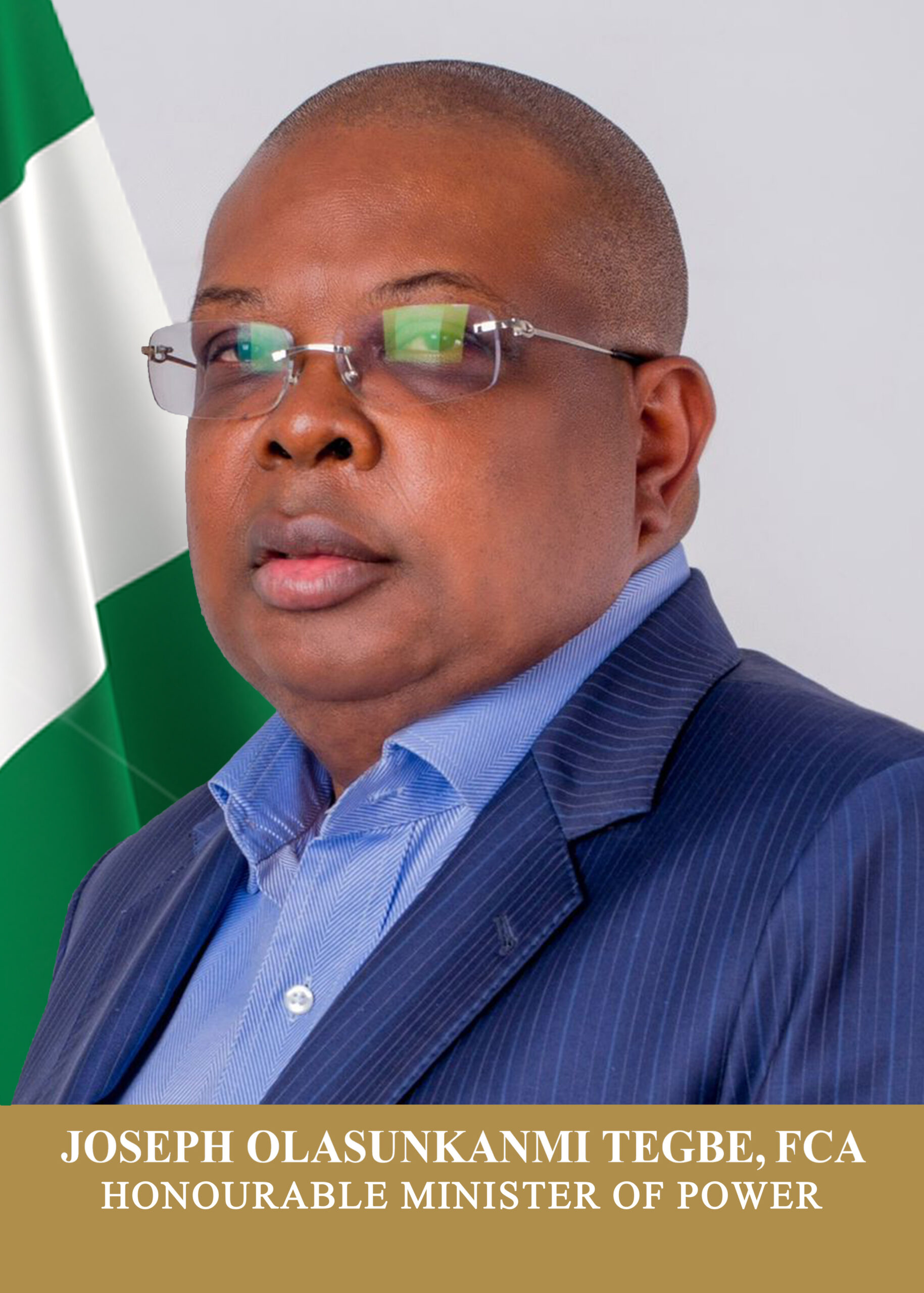
The ceremony attracted senior government officials, industry leaders, and stakeholders, including the Honourable Minister of Power, Chief Olasunkanmi Joseph Tegbe, and Niger State Governor Mohammed Umaru Bago.
The project, which will be developed on a 500-hectare site, is designed to power a new industrial park anchored by a modern steel manufacturing plant.
During the event, Governor Bago formally handed over the project site to Abuja Steel Mills, paving the way for construction to commence.
Speaking at the ceremony, Chief Tegbe described the initiative as a significant milestone in Nigeria’s drive to build clean, reliable, and scalable energy infrastructure outside the national grid. He noted that the project would help guarantee stable electricity supply for industrial operations, reduce exposure to power disruptions, and deliver surplus electricity to surrounding communities.
According to the minister, integrating renewable energy generation directly into industrial infrastructure represents a new model for economic development. He explained that Abuja Steel Mills will generate its own clean power at scale, transforming off-grid energy from an alternative solution into a foundation for industrial expansion.
Chief Tegbe said the project aligns with President Bola Ahmed Tinubu’s Renewed Hope Agenda, which seeks to promote clean energy, distributed power generation, and increased private-sector investment as key drivers of economic growth.
He further emphasized that the Federal Government views the project’s infrastructure needs as a national economic priority, while praising the Niger State Government for creating an enabling environment for private-sector-led renewable energy investments.
Governor Bago’s allocation of land for the project, he added, sends a strong signal to investors that sub-national governments are committed to supporting commercially viable clean energy initiatives capable of driving industrial development and job creation.
Industry observers have described the project as a landmark development that demonstrates Nigeria’s growing commitment to simultaneously advancing renewable energy adoption and industrial capacity.
Beyond its immediate economic benefits, the project is expected to strengthen investor confidence, attract international financing, and expand energy access to local communities, positioning Nigeria as a leading destination for large-scale clean energy investment in Africa.
With construction set to move forward, the initiative stands as one of the most ambitious examples of how renewable energy can be leveraged to power industrial growth, create jobs, and support sustainable economic transformation across the continent.