
By| Goodluck E.Adubazi, Abuja
The Federal Government has reaffirmed its solidarity with victims and survivors of conflict-related sexual violence, pledging renewed efforts to prevent abuse, strengthen protection mechanisms, ensure justice for survivors, and hold perpetrators accountable.
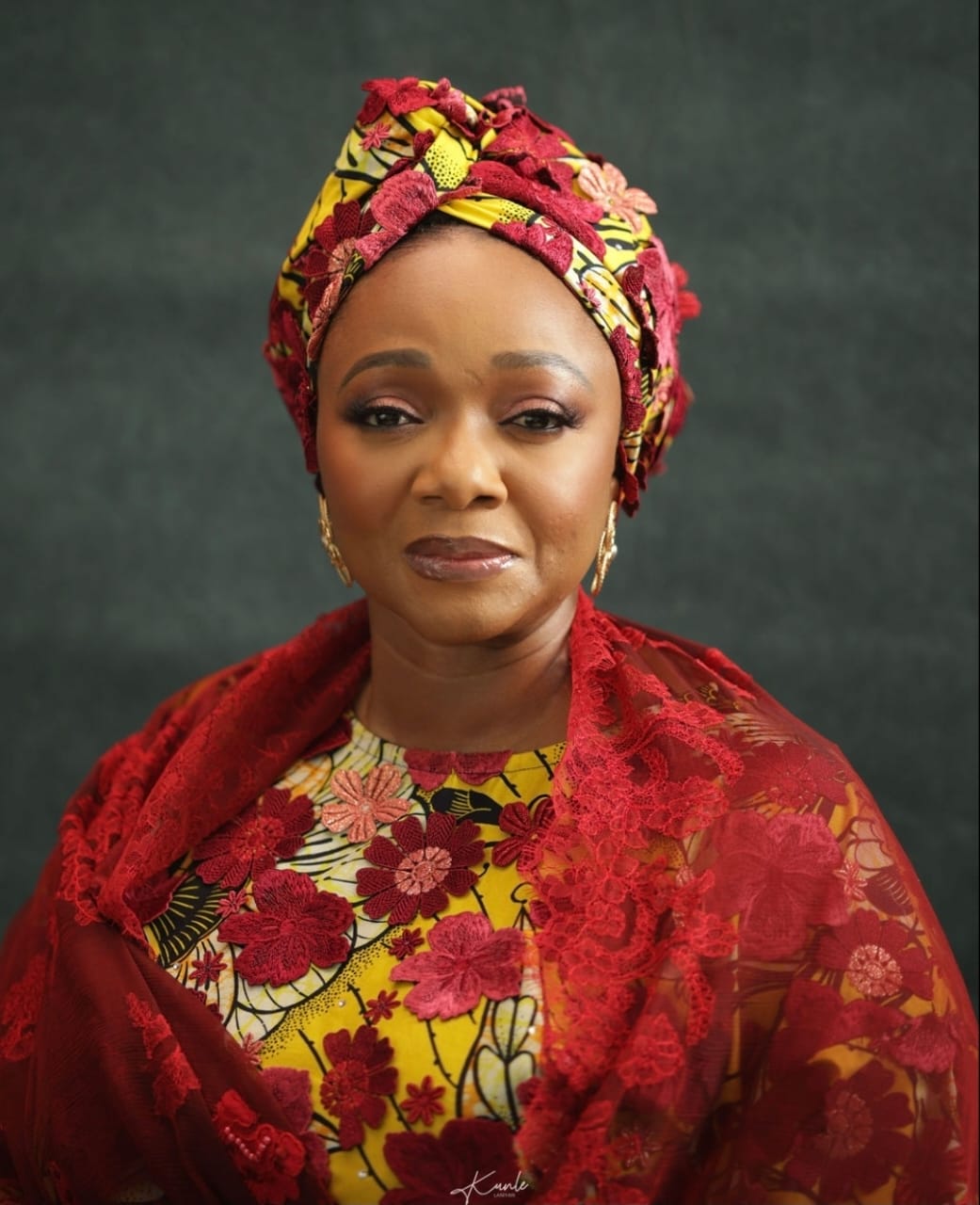
This commitment was made by the Minister of Women Affairs and Social Development, Hon. Imaan Sulaiman-Ibrahim, in a statement marking the 2026 International Day for the Elimination of Sexual Violence in Conflict, observed annually on June 19.
Speaking on this year’s theme, “Ending Conflict-Related Sexual Violence: A National Imperative for Peace, Security and Sustainable Development,” the Minister said the observance serves as a solemn reminder that sexual violence during conflict remains a grave violation of human rights and international humanitarian law, with far-reaching consequences for national security, social cohesion, and sustainable development.
According to her, the administration of President Bola Ahmed Tinubu, under the Renewed Hope Agenda, has placed the protection of women, children, families, and vulnerable groups at the heart of national development priorities.
She highlighted the implementation of the Renewed Hope Social Impact Intervention (RHSII-774) across the country’s 774 local government areas, noting that the programme is delivering integrated interventions aimed at strengthening child protection systems, empowering women economically, enhancing social protection, improving access to essential services, and building resilient communities.
The Minister described conflict-related sexual violence as one of the most horrific consequences of war, terrorism, violent extremism, and insecurity, stressing that women and girls remain the most affected, although men and boys are also victims.
“Beyond the immediate physical and psychological trauma, these crimes destroy families, disrupt education, deepen poverty, fuel displacement, weaken public confidence, undermine development, and threaten national stability,” she stated.
She noted that Nigeria has continued to strengthen its legal and policy frameworks to combat sexual and gender-based violence.
The Child Rights Act has now been domesticated in all 36 states, while the Violence Against Persons (Prohibition) Act has been adopted in 35 states and is currently undergoing legislative review to address emerging threats such as online exploitation and technology-facilitated violence.
The Minister further reaffirmed Nigeria’s commitment to international and regional instruments promoting the rights and protection of women and children, including the Convention on the Elimination of All Forms of Discrimination Against Women (CEDAW), the Beijing Declaration and Platform for Action, the Maputo Protocol, and the United Nations Women, Peace and Security Agenda.
Expressing concern over the evolving nature of insecurity, she condemned the increasing targeting of women and children through abductions, trafficking, forced marriages, sexual slavery, child recruitment by armed groups, and the exploitation of displaced persons.
“The Federal Government condemns these atrocities in the strongest terms and remains confident in the capacity of the Armed Forces, intelligence agencies, and security institutions to ensure that perpetrators and their sponsors are brought to justice,” she said.
Sulaiman-Ibrahim disclosed that the Ministry has intensified efforts through RHSII-774 by strengthening child protection systems, expanding advocacy against gender-based violence, supporting women’s participation in peacebuilding, improving survivor support services, and deepening partnerships with governments, traditional institutions, civil society organisations, and development partners.
While reaffirming the government’s commitment to providing survivor-centred services, including healthcare, psychosocial support, legal aid, rehabilitation, and economic reintegration, the Minister stressed that prevention must remain the cornerstone of Nigeria’s response.
She called for stronger early warning systems, improved school safety, digital protection measures, family-strengthening programmes, community vigilance, youth engagement, and sustained public education campaigns.
The Minister also urged a whole-of-society approach involving security agencies, the judiciary, healthcare providers, educational institutions, humanitarian actors, religious and traditional leaders, and community organisations to work together in preventing violence, protecting vulnerable populations, and supporting survivors.
Recognising the influence of Nigeria’s entertainment industry, she appealed to Nollywood practitioners, musicians, broadcasters, comedians, content creators, and social media influencers to use their platforms to challenge harmful stereotypes, promote positive values, protect children, empower women, and amplify messages of peace and dignity.
She further called on parents, caregivers, and community leaders to strengthen family values, remain vigilant against abuse and exploitation, and help prevent radicalisation among young people.
The Ministry also advocated increased investment in survivor-centred infrastructure, including Sexual Assault Referral Centres, shelters, psychosocial services, legal aid, forensic capacity, data systems, and technology-driven reporting mechanisms.
As Nigeria joined the global community in commemorating the day, the Minister urged citizens to reject violence in all its forms, support survivors, challenge harmful cultural norms, report abuses promptly, and work collectively toward building safer communities.
She emphasized that ending conflict-related sexual violence is not only a humanitarian responsibility but also a critical national security priority.
“The Federal Government remains resolute in building a Nigeria where justice triumphs over impunity, peace prevails over violence, communities are resilient, and the dignity of every woman and child is protected,” she said.
The Minister concluded by calling on Nigerians to unite in ensuring that every survivor finds healing, every perpetrator faces justice, and every child grows up in peace, safety, and dignity under the Renewed Hope Agenda.