By| Goodluck E.Adubazi, Abuja
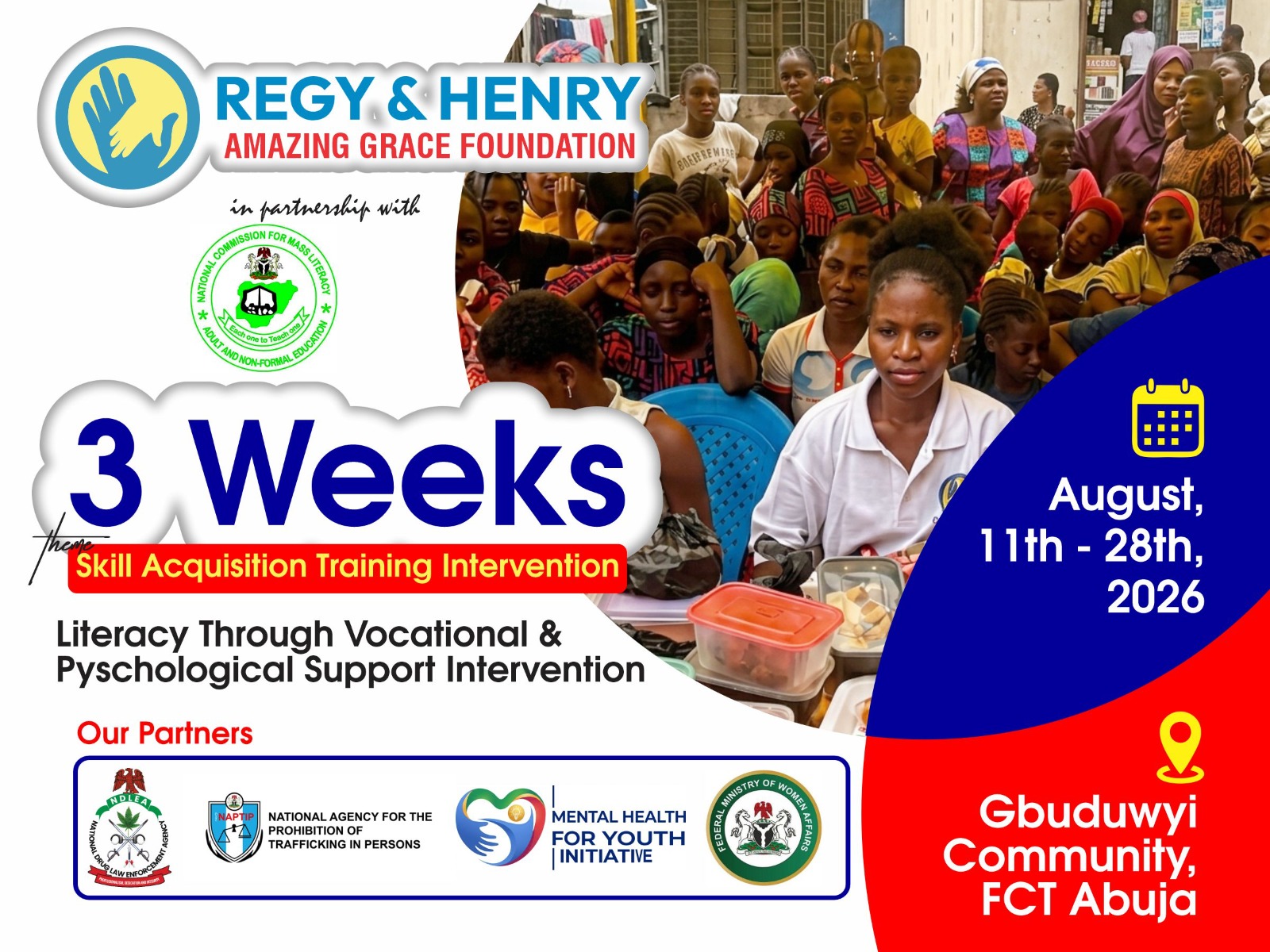
Africa’s leading civic-tech organisation, BudgIT, has revealed that it has tracked 19,644 government projects valued at N8.5 trillion across 7,589 communities in Nigeria, with more than 11,800 of the projects subsequently completed.
The organisation, which made the disclosure on Monday in Abuja while marking its 15th anniversary, said the completed projects, valued at N3.5 trillion, covered critical sectors including health, education and infrastructure and benefited more than 11.5 million Nigerians.


BudgIT Country Director, Nigeria, Vahyala Kwaga, said the organisation had, over the past 15 years, worked to simplify public budgets, track government spending and empower citizens to demand greater transparency and accountability.
According to him, BudgIT has provided accessible budget information to more than 22 million Nigerians through both online and offline platforms, enabling citizens to participate more actively in governance.
Kwaga said BudgIT had evolved from a small Nigerian initiative into a continental civic-tech organisation operating in Nigeria, Sierra Leone, Liberia, Senegal and Ghana, with an international office in Washington, D.C.
He said the organisation had developed several civic-technology platforms, including GovSpend, Tracka, Live Results, me.budget.org, Open States, QWERTY, the PHC Accountability Tracker, State of States and the Federal Government Budget Dashboard.
“Fifteen years ago, BudgIT set out to make Africa’s public budgets accessible to everyday citizens. Today, that mission has become a movement spanning five countries,” he said.
Kwaga disclosed that BudgIT had also supported improvements in subnational fiscal transparency by publishing 10 editions of its State of States report, which assesses the fiscal viability of Nigeria’s 36 states.
He added that, with support from the World Bank, the organisation helped increase the number of Nigerian states publishing their budgets from just three in 2014 to all 36 states, creating what he described as Nigeria’s largest archive of sub national fiscal data.
The BudgIT Country Director further disclosed that the organisation had established the State Fiscal Transparency League Table to encourage state governments to improve fiscal disclosures and had organised public dialogues across the 36 states to strengthen citizen engagement in governance.
On its anti-corruption interventions, Kwaga said BudgIT led a pan-African resource-tracking project during the COVID-19 pandemic that aggregated more than $12 billion in aid and monitored corruption-related cases across Nigeria, Liberia, Sierra Leone, Cameroon, Kenya and Senegal.
He said the organisation’s GovSpend platform had supported more than 60 media reports highlighting over $250 billion in potentially wasteful government spending.
BudgIT Nigeria also established a Media Fellowship aimed at strengthening journalists’ capacity to investigate and report on fiscal accountability.
Kwaga said the organisation had partnered with anti-corruption agencies, including the Independent Corrupt Practices and Other Related Offences Commission (ICPC) and the Economic and Financial Crimes Commission (EFCC), on cases involving public resources.
He said BudgIT had also provided pro bono technical support to the Presidential Fiscal Policy and Tax Reform Committee in 2024 during the process of rewriting Nigeria’s tax laws.
Speaking on the challenges confronting fiscal transparency in Nigeria, Kwaga identified inadequate government disclosure, poor data quality and limited citizen participation as major obstacles.
He said voluntary disclosure of public information had yet to become normal practice among governments at all levels, stressing that citizens and civil society organisations were often forced to demand information through advocacy campaigns.
“Voluntary disclosures have not yet really been normalised in Nigeria. Information provision is something that has to be demanded through advocacy campaigns, which we believe ought not to be the case,” he said.
Kwaga also raised concerns about the quality, timeliness and accessibility of government data, noting that transparency did not automatically translate into accountability.
According to him, weak institutional mechanisms for accountability have often left citizens frustrated when information about government activities does not result in concrete outcomes.
He further identified citizen engagement as another major challenge, noting that economic hardship and livelihood concerns often make it difficult for citizens to remain actively engaged in governance.
On the state of anti-corruption efforts under the present administration, Kwaga acknowledged some positive developments but stressed that stronger adherence to the rule of law remained essential to achieving sustainable progress.
He said corruption thrives where information is hidden, accountability is weak and citizens are excluded from decision-making processes.
Kwaga called for greater openness in government, stronger institutions and respect for the rights of citizens and the media.
He also urged all arms of government to uphold transparency, honesty and accountability in the discharge of their responsibilities.
On changes to the federal budget by the National Assembly, BudgIT expressed concern over what it described as significant differences between executive budget proposals and the final appropriated budgets.
Kwaga argued that the legislature’s role in proposing and subsequently approving projects could create potential conflicts of interest, stressing the importance of maintaining the doctrine of separation of powers.
He said BudgIT’s assessment indicated that the difference between the executive’s budget proposal and the assented budget had risen significantly in recent years.
Senior Research Analyst and Head of Gender Desk, BudgIT Nigeria, Damilola Onemano, added that concurrent budgets and the inclusion of projects outside the original appropriation process had made it increasingly difficult to accurately track capital expenditure.
He said some projects had appeared in subsequent repeal and re-enactment budgets despite not being contained in the original appropriation laws, describing the development as a concern for public financial management.
Onemano said one of the major achievements of BudgIT over the years was the growing trust between the organisation and citizens, particularly through its grassroots engagement platforms.
He said town hall meetings had enabled citizens to identify abandoned and incomplete government projects, with some subsequently completed following sustained advocacy.
According to him, such interventions had strengthened BudgIT’s legitimacy and demonstrated the importance of citizen participation in governance.
The organisation said it would continue to expand its fiscal education and accountability initiatives across Africa, while exploring opportunities to extend its operations to other countries.
BudgIT reaffirmed its commitment to promoting transparent and accountable governance, stressing that active citizen participation remained critical to achieving meaningful democratic development.