
By: Goodluck E. Adubazi, Abuja.
Nigeria’s Ministry of Foreign Affairs and the Nigerian Air Force are stepping up efforts to align diplomatic messaging with military operations, amid rising security challenges and intensified global media scrutiny.
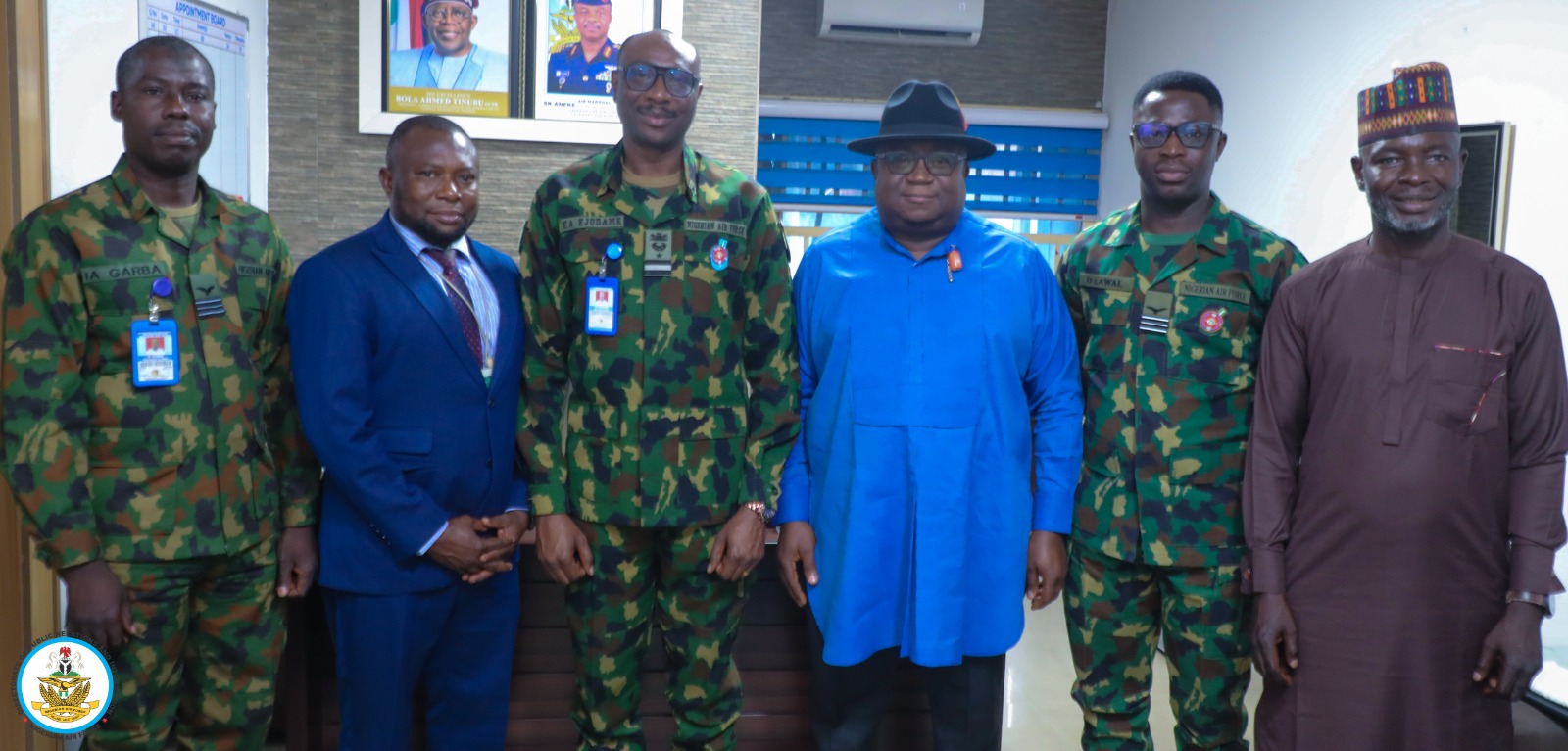
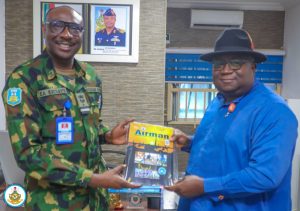
The renewed push for inter-agency coordination followed a high-level familiarization visit on Monday, December 29, 2025, by the spokesperson of the Ministry of Foreign Affairs, Kimiebi Imomotimi Ebienfa, to the Director of Public Relations and Information of the Nigerian Air Force, Air Commodore Ehimen Ejodame, at Air Force Headquarters in Abuja.
Officials from both institutions described the engagement as a strategic move to strengthen national communication frameworks at a time when military operations, diplomacy, and public perception are increasingly interconnected.
Security Operations Now Fought on Two Fronts: Battlefield and Information Space.
According to the Nigerian Air Force, Nigeria’s security environment is dominated by asymmetric and non-conventional warfare, where hostile groups operate within civilian populations—blurring the line between combatants and non-combatants.
Air Commodore Ejodame explained that this operational reality complicates not only military decision-making but also public disclosure, as premature or poorly framed information could endanger lives, compromise missions, or distort public understanding.
“The communities we protect are often the same spaces infiltrated by violent actors,” Ejodame noted, underscoring the sensitivity required in releasing operational details.
Diplomatic Fallout a Growing Risk
From the diplomatic standpoint, the Ministry of Foreign Affairs warned that uncoordinated or speculative public statements during fast-moving security incidents can quickly escalate into international diplomatic challenges.
Ebienfa pointed to past cases where communication gaps triggered intense media speculation, public anxiety, and external pressure on Nigeria—sometimes before facts were fully established.
“Operational issues can easily become diplomatic flashpoints if communication is not carefully calibrated,” he said, emphasizing the need for early consultation and clearly defined
communication protocols.
Battling Misinformation and Hostile Narratives
Both sides acknowledged that information warfare has become a core dimension of modern conflict. While excessive secrecy can create information vacuums exploited by misinformation, careless disclosures can compromise national security.
The officials stressed that Nigeria’s Armed Forces continue to enjoy regional and international respect, but warned that hostile narratives—if left unchecked—can undermine public confidence, fuel division, or mischaracterize international security partnerships.
Particular concern was raised about how foreign counterterrorism cooperation is portrayed, with officials cautioning against narratives that frame partnerships as dependency rather than collaboration.
Whole-of-Government Approach to Crisis Communication
The discussions concluded with agreement on the need for sustained institutional synergy, including:
Early inter-agency consultation on incidents with diplomatic implications
Alignment of military and diplomatic messaging
Joint media-response simulations and capacity-building initiatives
Regular engagement between spokespersons across government
Both institutions reaffirmed that national interest remains paramount, and that coherent strategic communication is essential to safeguarding sovereignty, maintaining public trust, and protecting Nigeria’s international reputation.
Participants described the visit as timely, constructive, and forward-looking, signaling a broader shift toward integrated national response mechanisms as Nigeria navigates complex security threats and heightened global attention.
As Nigeria confronts evolving security realities, officials say the message is clear: modern warfare is no longer fought only with weapons—but also with words.