
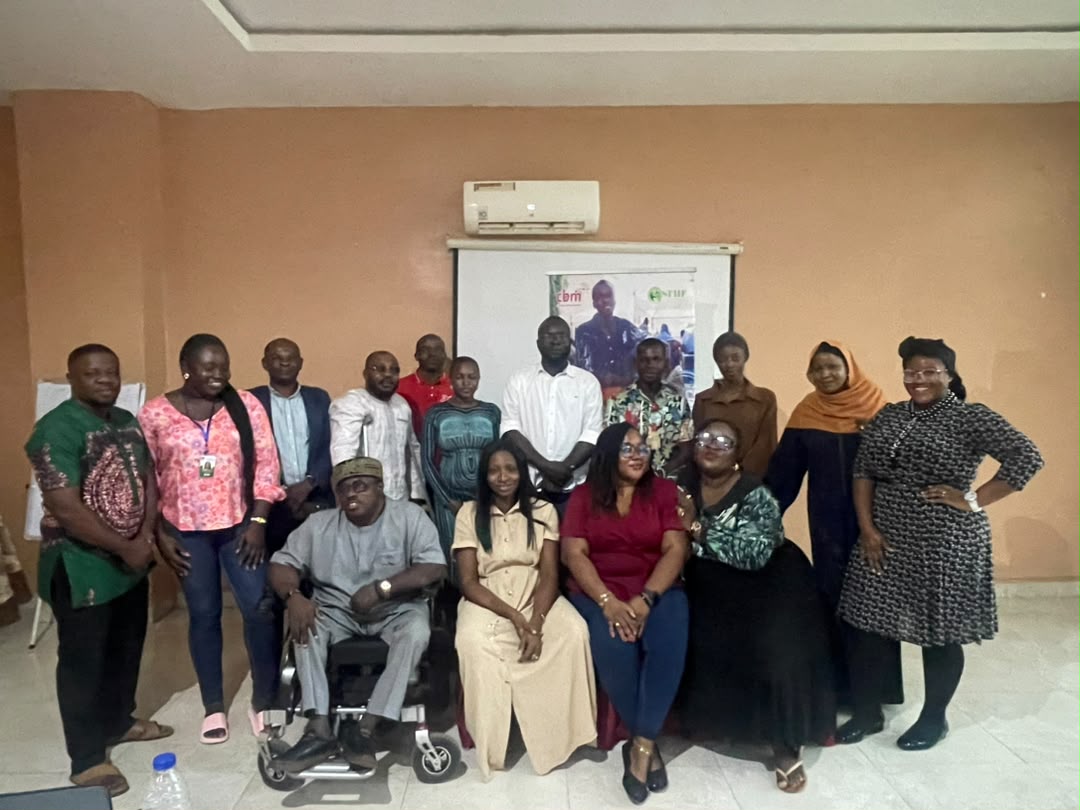
By| Goodluck E.Adubazi, Abuja
The Sustainable Family Health Foundation (SFHF) has intensified advocacy for the establishment of a dedicated Disability Commission in the Federal Capital Territory (FCT) to promote, protect and prioritise the rights and welfare of persons with disabilities.
Speaking on Tuesday in Abuja, Project Coordinator of SFHF, Mary Sunday, said the initiative was funded by CBM International as part of a project aimed at advancing disability-inclusive development through the implementation of the disability law in the FCT.
Sunday said one of the major objectives of the project was to ensure the establishment of a Disability Commission in the FCT, noting that while Nigeria already has a National Commission for Persons with Disabilities, there was a need for a dedicated structure at the FCT level.
She said, “One of our primary objectives is to ensure that there is a Disability Commission in the FCT. We already have an existing National Commission for Persons with Disabilities at the national level. What we seek to achieve at the end of this project is to have a commission in the FCT for persons with disabilities.”
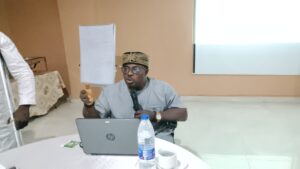
Also speaking, Executive Director and Publisher of Qualitative Magazine and Chairman of the National Association of Persons with Physical Disabilities, FCT Chapter, Comrade Chris Agbo, stressed the importance of the media in amplifying the voices of persons with disabilities and changing negative narratives surrounding disability.
Agbo said the advocacy was also aimed at establishing a dedicated disability secretariat in the FCT, arguing that persons with disabilities currently lacked adequate representation within the administration of the territory.
According to him, the welfare and concerns of persons with disabilities should not be confined to a small department because of the large number of people affected.
He said, “The media is key when it comes to amplifying the voices of persons with disabilities, changing the narrative, and helping to create the kind of change that we expect when it comes to disability inclusion within our society.”
Agbo maintained that disability inclusion was closely linked to poverty reduction, stressing that persons with disabilities were disproportionately affected by poverty and socio-economic exclusion.
He called for stronger institutional attention to disability issues in the FCT, saying the establishment of a dedicated secretariat would ensure that their concerns receive the attention they deserve.
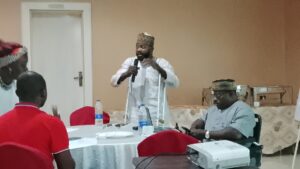
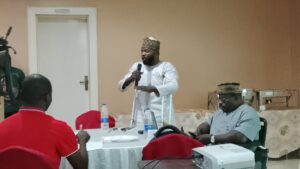
Similarly, Musa Muazu Musa, a facilitator at the programme, said the SFHF project was designed to advocate for the establishment of an agency that would promote, protect and prioritise the rights of persons with disabilities in the FCT.
He explained that the organisation engaged media professionals as strategic partners in the advocacy because of the critical role of the media in shaping public perception and influencing policy.
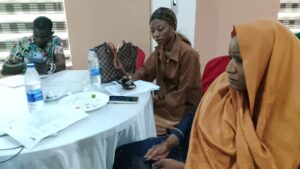
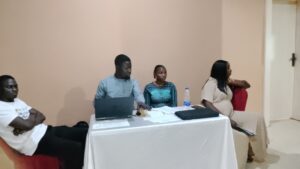
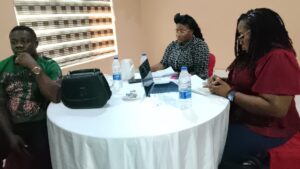
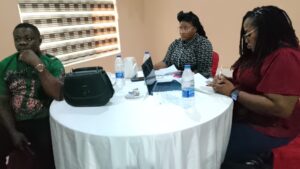
According to Musa, the media capacity-building session was designed to equip journalists with knowledge of disability rights, appropriate reporting terminology, awareness creation and advocacy, while discouraging the use of discriminatory language and stereotypes.
He said the enthusiasm and participation of media practitioners at the programme demonstrated their willingness to support the campaign.
“We can see that we’ve added another feeder to our advocacy. Today, we are proud to say that the media houses now have more ambassadors who will go and campaign for the protection, promotion and prioritisation of the rights of persons with disabilities in the FCT,” he said.
The SFHF, with support from CBM International, is implementing a bi-monthly media awareness programme on the Disability Law in the FCT.
The programme provides an overview of the disability law and key disability-inclusive policies, examines the rights of persons with disabilities and the role of stakeholders, and promotes interactive discussions on stigma and positive narratives around disability inclusion.
It also provides a platform for experience sharing, voices of persons with disabilities and Organisations of Persons with Disabilities (OPDs), while developing action points, assigning responsibilities and setting timelines for sustained advocacy.