..Says 21st Century Will Test Africa’s Resolve as Leaders Gather for AFNIS 2026
By| Goodluck E.Adubazi, Abuja
President Bola Ahmed Tinubu has declared that Africa cannot achieve meaningful industrialisation without reliable power, warning that the 21st century will test the continent’s resolve to transform its vast natural wealth into sustainable economic prosperity.
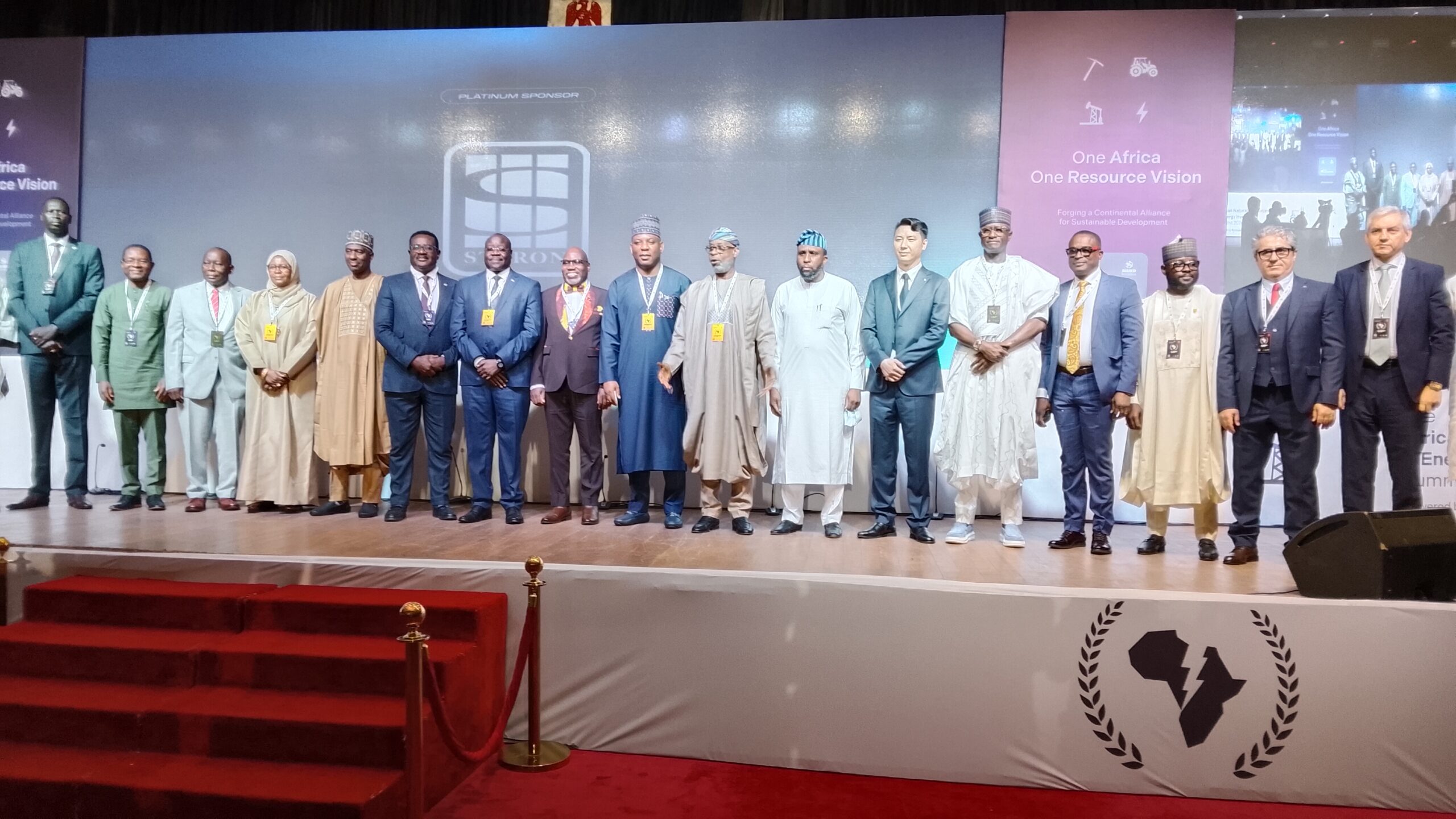
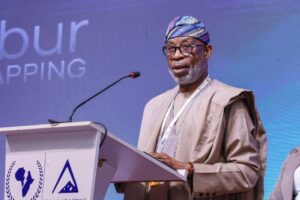
Speaking at the opening ceremony of the 5th African Natural Resources and Energy Investment Summit (AFNIS 2026) at the State House, Presidential Villa in Abuja on Wednesday, the President urged African nations to unite in harnessing their abundant natural resources to drive industrial growth, energy security, job creation, and long-term development.
Tinubu, who was represented by the Minister of Solid Minerals Development, Dr. Henry Oladele Alake, said Africa must move beyond its traditional role as a supplier of raw materials and emerge as a global centre for manufacturing, value addition, and energy production.
Addressing delegates from across Africa and beyond, the President described the summit’s theme, “One Africa, One Resource Vision,” as a bold statement of the continent’s determination to pursue a common path toward economic transformation and self-reliance.
He noted that Africa’s vast reserves of oil, gas, lithium, cobalt, gold, copper, iron ore and other strategic minerals have placed the continent at the heart of the global energy transition and emerging supply chains.
“The question before us today is whether Africa will finally turn its wealth into power—power for our homes, industries, young people, economies, and rightful place in the world,” Tinubu said.
The President lamented Africa’s continued export of raw materials, arguing that the continent has for too long allowed other regions to reap the benefits of processing and manufacturing.
“For too long, Africa has exported the future in unfinished form. The time has come for us to process, manufacture, power our factories, train our engineers, and build our own value chains,” he stated.
Tinubu said Nigeria’s economic reforms under the Renewed Hope Agenda align with Africa’s broader aspirations for economic diversification, industrial expansion, infrastructure development, energy access, and employment generation.
He stressed that Nigeria’s prosperity is closely tied to that of the African continent and called for stronger regional cooperation in trade, transportation, energy, and investment.
According to him, African countries must deepen integration by developing cross-border value chains that connect mineral extraction, refining, manufacturing, and energy production across the continent.
“A mine in one African country should feed a refinery in another. A gas field in one region should power factories across borders. A solar corridor within a single nation should support a continental grid,” he said.
The President also called on governments across Africa to adopt policies that encourage investment, harmonise regulations, remove barriers to intra-African trade, and strengthen transparency in the management of natural resources.
Addressing international investors, Tinubu reaffirmed that Africa remains open for business but seeks partnerships that deliver lasting benefits to local economies.
“We welcome capital that builds, creates jobs, transfers technology, strengthens local capacity, protects communities, and respects the environment,” he said.
On energy, Tinubu described access to reliable electricity as the foundation of industrialisation, noting that millions of Africans still lack power despite the continent’s vast energy potential.
He called for a balanced energy transition that addresses climate concerns while supporting Africa’s development goals.
“A just transition must not force Africa to choose between climate responsibility and human dignity. It must deliver both,” he stated.
The President reaffirmed Nigeria’s commitment to expanding energy access through responsible gas utilisation, increased renewable energy deployment, and investment in modern power infrastructure.
Expressing confidence in the continent’s future, Tinubu said Africa possesses the youthful population, entrepreneurial talent, and natural resources required to drive a new era of growth.
“Africa is not waiting to be discovered. Africa is defining itself. We know our worth, our responsibility, and our destination,” he declared.
He urged participants to ensure that discussions at the summit translate into practical outcomes that will benefit Africans.
“Let the agreements reached here become projects. Let the projects become industries. Let the industries create jobs, and let those jobs create dignity. Let that dignity become the foundation of a new African century,” he said, before officially declaring AFNIS 2026 open.
Earlier, Minister of Solid Minerals Development, Dr. Henry Oladele Alake, urged African nations to collaborate more closely to maximise the value of their mineral resources through local processing, refining, manufacturing, technology transfer, and skills development.
He said Africa must build integrated value chains supported by energy, infrastructure, financing, and regional cooperation rather than continue exporting raw materials.
Alake assured investors that Nigeria remains committed to responsible and long-term investments that promote local employment, technology transfer, community development, and sustainable growth.
He also highlighted the need for improved infrastructure, including railways, roads, ports, power facilities, and processing plants, to unlock Africa’s mineral potential.
The minister stressed the importance of equipping young Africans with skills in mining, engineering, technology, logistics, finance, and environmental management to participate effectively in the continent’s emerging resource economy.
Chairman of the Senate Committee on Solid Minerals Development, Senator Ekong Sampson, called for greater efforts to convert Africa’s vast mineral wealth into tangible economic benefits for citizens.
Similarly, Chairman of the House Committee on Solid Minerals, Hon. Jonathan Gaza, praised recent reforms in Nigeria’s mining sector and reaffirmed the National Assembly’s commitment to supporting policies that attract investment, boost revenue generation, and strengthen the sector as a key driver of economic diversification.
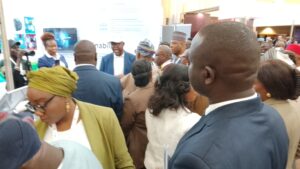
The three-day summit attracted delegates from more than 15 African countries, reflecting growing continental commitment to resource-driven development and economic transformation.